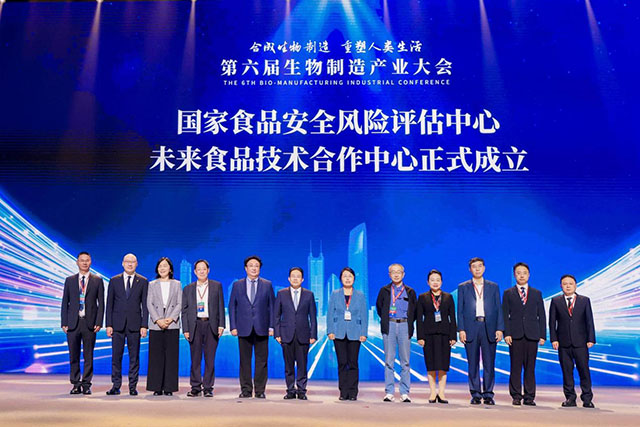
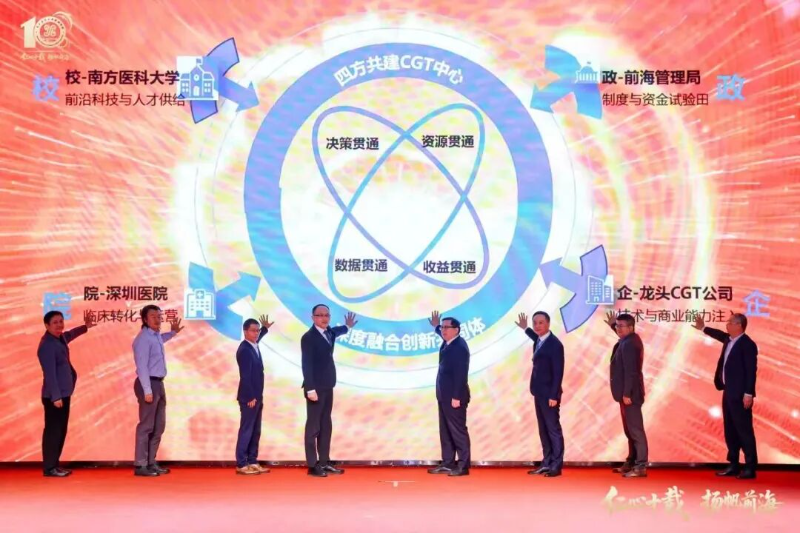
On November 29, the Greater Bay Area (GBA) CAR-T Therapy Academic Exchange Conference was grandly held in Hong Kong, China. Led by renowned experts including Professor Jiang Wenqi and Professor Huang Huiqiang from the Sun Yat-sen University Cancer Center, Professor Hong Xiaonan from the Fudan University Shanghai Cancer Center, Professor Kwong Wo-lam from Queen Mary Hospital (Hong Kong), and Professor Feng Ru from the Nanfang Hospital of Southern Medical University, the conference brought together dozens of oncology specialists from the Chinese mainland, Hong Kong, Macao, and international communities. The focus was on exploring cutting-edge advancements and latest practical experiences in CAR-T therapy, particularly targeting CD19.
During the conference, experts and scholars conducted in-depth discussions on the entire CAR-T therapy chain, covering key links such as full-process management from laboratory research and development (R&D) to clinical application, efficacy optimization strategies, clinical translation pathways, and future innovative technology directions. Participants agreed that enhancing the standardization, normalization, and accessibility of CAR-T therapy is a core proposition for promoting collaborative development in the GBA.
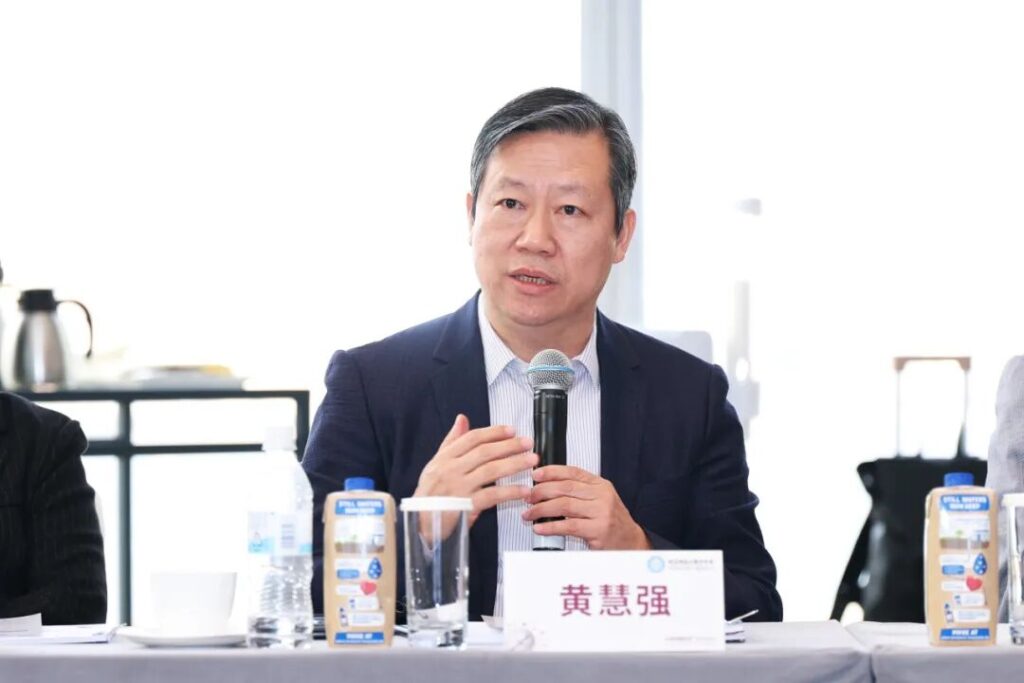
In an interview with the media, Professor Huang Huiqiang from the Sun Yat-sen University Cancer Center stated that the conference integrated clinical resources from the Guangdong-Hong Kong-Macao Greater Bay Area and multiple provinces on the mainland, uniting top international experts and elites in the health insurance sector to form a composite innovation matrix of “industry-academia-research-medical care + finance.” Currently, three major pain points persist in further improving the accessibility of cross-border CAR-T therapy: high payment thresholds, slow cross-border processes, and low international trust. In response, Professor Huang proposed three countermeasures: promoting the establishment of the “GBA CAR-T Therapy Quality Control and Clinical Collaboration Alliance,” accelerating the launch of a medical data sharing platform implementing “one-place testing, mutual recognition across three regions,” and constructing a diversified payment system integrating “medical insurance + commercial insurance + multi-party assistance.” These measures aim to gradually build a cross-regional collaborative ecosystem—through the synergistic empowerment of policy tools, payment schemes, and AI technology—to benefit more lymphoma patients in the GBA and provide a replicable, inclusive model for patients nationwide. “In the future, leveraging the GBA as a strategic pivot, we will promote the standardization of technologies, clinical translation, regional collaboration, and international promotion, striving to map a blueprint for ‘Chinese solutions’ to radiate globally and enable innovative therapies to achieve leapfrog development from laboratory to clinical application,” he added.
As the core cell therapy product highlighted at the conference, axicabtagene ciloleucel injection—China’s first CAR-T cell therapy drug developed by Fosun Kairos—has been clinically applied in over 1,000 cases in the mainland and completed its first use in Hong Kong and Macao. Its standardized production system and cross-border collaboration experience serve as an important model for the development of the regional cell therapy industry. Moving forward, Fosun Kairos will continue to build a full-chain industrial ecosystem covering R&D, production, clinical practice, and payment, supporting the high-quality development of China’s cell therapy sector.