On December 20, CCTV’s “Xinwen Lianbo” focused on the theme of “Guangdong – Hong Kong – Macao Greater Bay Area Striving to Build a Global High – end Science and Technology Innovation Hub”, presenting the achievements in collaborative innovation and development among the three places. The full reprint is as follows.
General Secretary Xi Jinping pointed out that centering on the strategic positioning of building an international science and technology innovation center, the GBA should strive to develop into a global high – end hub for scientific and technological innovation and promote the growth of emerging industries. Today, innovation elements are gathering at an accelerated pace in the GBA. By deepening cooperation, it has opened up new prospects for development and is steadily accelerating its march towards becoming a “world benchmark” among international science and technology innovation centers.
How fast can collaborative innovation proceed in the GBA?
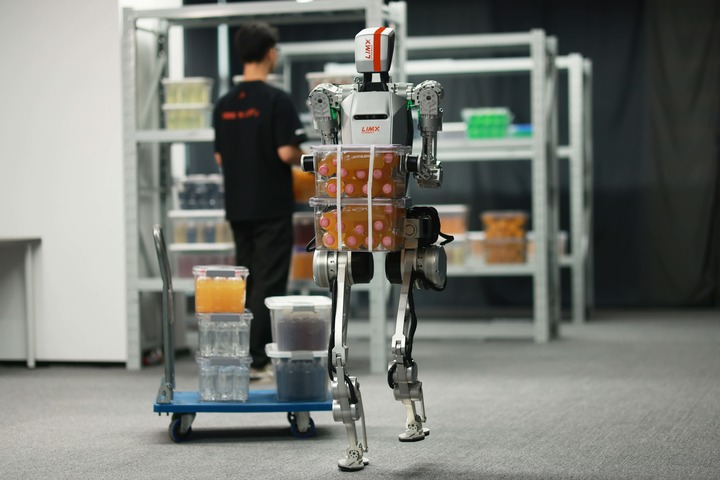
A robotic “hand” developed in Hong Kong can grasp balloons without popping them and eggs without breaking them. This R & D achievement has crossed the Shenzhen River and achieved industrialization in Shenzhen. Currently, an intention to transform a high – value patent is reached in the GBA every two hours on average, and these patents are quickly connected to the upper and lower reaches of the industrial chain.
The interconnection between science cities is constantly accelerating. It only takes 30 minutes for Hong Kong researchers to commute directly to the Shenzhen Park of the Hetao Shenzhen – Hong Kong Science and Technology Innovation Cooperation Zone on a point – to – point basis. Cross – border laboratory equipment can be inspected and delivered to laboratories within 48 hours after declaration. Thanks to the science and technology innovation corridors, the number of joint research projects between Guangdong, Hong Kong and Macao has increased by 40%.
Nowadays, more than 400 invention patents are granted in the GBA every day on average. This year, the Shenzhen – Hong Kong – Guangzhou Innovation Cluster topped the list of the “World’s Top 100 Innovation Clusters” for the first time.
Innovation is the key to the development of the GBA. In 2012, shortly after the 18th National Congress of the Communist Party of China, General Secretary Xi Jinping made his first inspection tour outside Beijing in Guangdong. He proposed that Guangdong join hands with Hong Kong and Macao to build a world – class urban agglomeration with stronger comprehensive competitiveness, laying a strategic foundation for the collaborative innovation and development of the GBA.
Since then, every time General Secretary Xi Jinping inspected Guangdong, Hong Kong and Macao, he has visited the frontlines of innovation. In Hong Kong, he stated that Hong Kong can join forces with mainland cities in the GBA, work towards the same goal, and strengthen the integration of industry, academia and research in innovation. In Macao, he urged the region to actively participate in the development of the GBA, integrate high – quality resources, and deepen coordinated development.
During his recent trip to Guangdong, the General Secretary once again emphasized the need to further deepen cooperation between Guangdong, Hong Kong and Macao, strengthen scientific and technological innovation cooperation, and improve the interconnection of infrastructure. He also called for striving towards the goal of building a world – class bay area and a world – class urban agglomeration with strong vitality and international competitiveness through joint efforts and steady progress, so as to achieve breakthroughs in key areas and promote all – round development.
In 2019, the Outline Development Plan for the Guangdong – Hong Kong – Macao Greater Bay Area was officially released, which clearly set the goal of “building an international science and technology innovation center”.
Focusing on this strategic goal, Guangdong, Hong Kong and Macao have broken down barriers, joined forces, and addressed development challenges through institutional innovation.
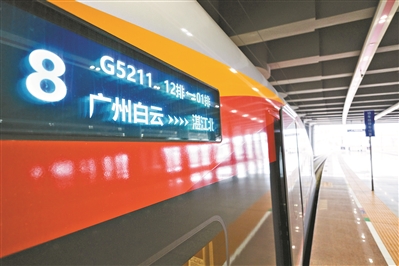
The pace of “hard connectivity” is accelerating. This year, the total length of operational and under – construction railways in the GBA will reach 4,700 kilometers, fully covering the core cities, key node cities and major metropolitan areas such as Guangzhou and Shenzhen in the GBA. Not long ago, the policy on talent visas for travel between the mainland, Hong Kong and Macao was expanded to cover key enterprises in the GBA, greatly improving the efficiency of cross – border commuting for scientific researchers. Meanwhile, “soft connectivity” is continuously being enhanced with new measures. Guangdong has taken the lead nationwide in realizing the cross – border allocation of provincial financial scientific research funds to Hong Kong and Macao, with the total amount exceeding 600 million yuan. Up to now, Guangdong, Hong Kong and Macao have jointly issued 262 “Bay Area Standards”, and 187 high – frequency government services can be handled cross – border.
With the support of a series of policies, the flow of various factors such as talents, capital, goods and information between Guangdong, Hong Kong and Macao has accelerated, and the momentum of innovation has become increasingly strong.
Breakthroughs from “zero to one” are emerging one after another in the GBA. In Guangdong, the world’s first large – scale scientific facility for deep – sea cold seep ecological research has started construction, and the Jiangmen Neutrino Experiment has released its first physical achievement. The Hong Kong University of Science and Technology has led the R & D of a multifunctional lunar surface operation robot and mobile charging station. The Macao Science Satellite – 1 has orbited the Earth more than 10,000 times, generating a large amount of high – precision scientific data. These major breakthroughs are driving the GBA to continuously scale new heights in scientific and technological innovation. At present, the GBA has built 2 national laboratories, 45 national key laboratories and 33 Guangdong – Hong Kong – Macao joint laboratories, forming a multi – level and high – level scientific research platform system.
The transformation from “one to one hundred” has become more efficient. Now, the complete industrial system of the nine mainland cities in the GBA is deeply integrated with the advanced modern service industry, financial industry, scientific and educational resources of Hong Kong and Macao.
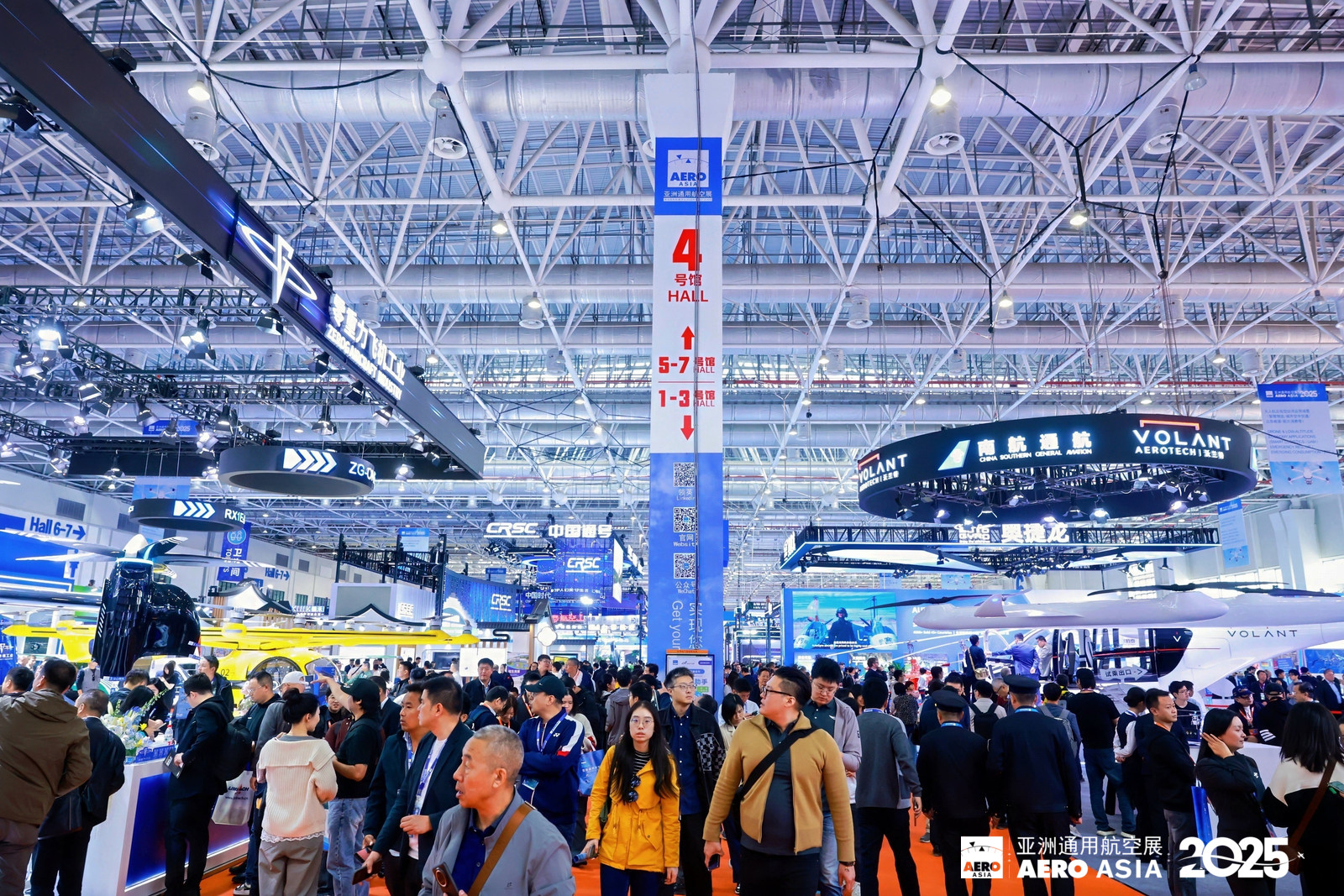
Not long ago, Bao’an District of Shenzhen released more than 500 application scenarios. On land, over 280 kilometers of open roads are available for L4 – level autonomous driving tests. At airports, the latest automation technologies can be verified. In mountain forests, low – altitude UAVs can test more complex flight routes. In recent days, these scenarios have attracted many innovative enterprises in the GBA to conduct tests here.
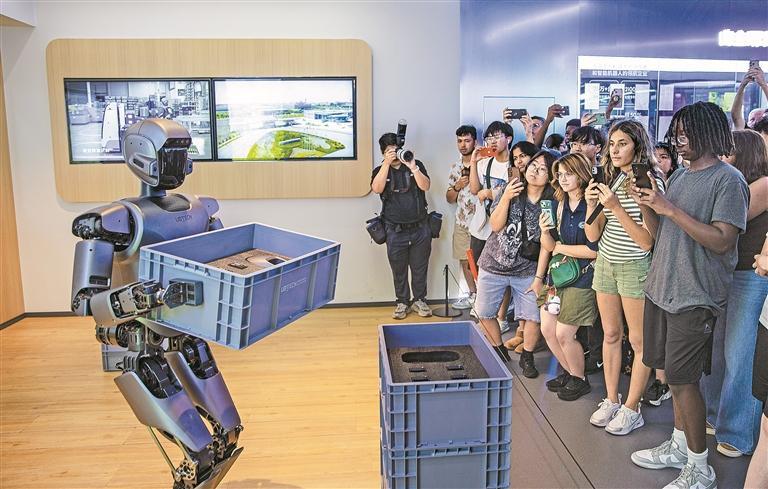
Laboratories are closely linked to production lines. Today, emerging industries in the GBA are flourishing. The scale of the core artificial intelligence industry has exceeded 220 billion yuan, and 9 trillion – yuan industrial clusters have laid a solid foundation for high – quality development. Covering less than 0.6% of China’s total land area, the GBA contributes one – ninth of the country’s total economic output and has become one of the regions with the highest degree of openness and the strongest economic vitality in China.
As the wave of innovation surges, it is a crucial time to forge ahead. The just – concluded Central Economic Work Conference once again emphasized the need to “build an international science and technology innovation center in the Guangdong – Hong Kong – Macao Greater Bay Area”, injecting new policy dividends into the scientific and technological innovation development of the GBA. At present, focusing on new tracks such as low – altitude economy and biological manufacturing, the GBA will build 500 – billion – yuan emerging industrial clusters and promote the high – end and intelligent transformation and upgrading of competitive industries such as electronic information and advanced equipment manufacturing.