Just after China and the United States finished a phone call, why did the U.S. suddenly backtrack? When Takashi Ichiyo floated the idea of cutting off photoresist supplies to test us, why isn’t China panicking?
Recently, China and the U.S. held another round of online economic and trade talks, which went well. Both sides agreed to fully implement the Kuala Lumpur Consensus and expand the cooperation list. But to everyone’s surprise, right after hanging up the phone with China, the U.S. turned around and began plotting ways to confront China.
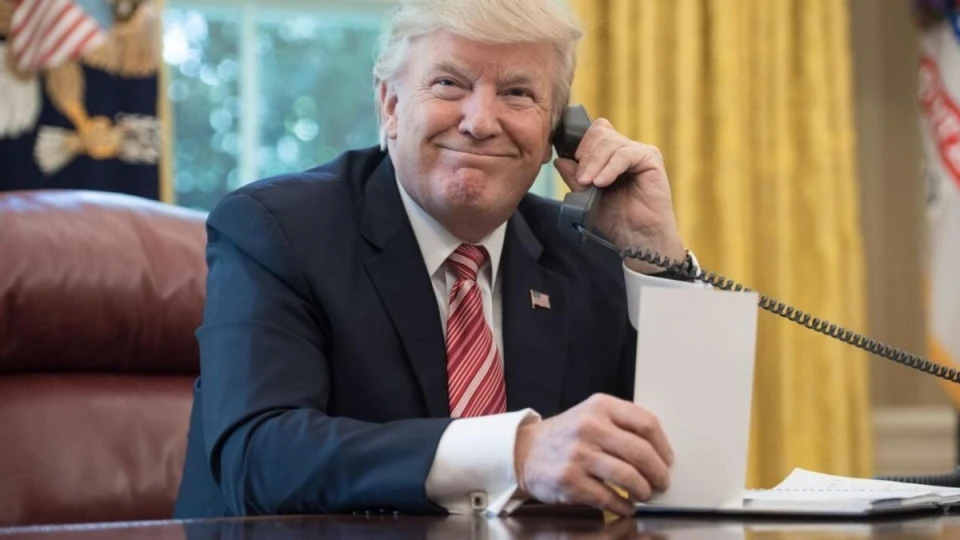
In fact, this kind of “sudden about-face” by the U.S. is nothing new. Both the Biden administration and the current Trump administration like to play this trick on China. So why does the U.S. keep doing this? First and foremost, it’s a matter of mindset. Some U.S. politicians view China’s rapid development as a challenge to its dominant position. Unable to accept fair competition, they resort to various tactics—from imposing exorbitant tariffs and blocking investments to suppressing specific industries and rallying allies to act together. They want to make money from China while also holding it back.
Second, the U.S. has realized that its previous blatant slogan of “decoupling from China” was too unrealistic and faced widespread opposition. Now, it has adopted a more convoluted term: “de-risking”. But in essence, it still aims to exclude China from high-tech fields where the U.S. holds an advantage, just wrapping this practice in the cloak of “risk management”. Finally, the U.S. needs to stabilize China-U.S. relations, especially economically, so it is willing to sit down and talk. However, its underlying goal of containing China’s development remains unchanged, which leads to this contradictory situation of showing goodwill over the phone while engaging in underhanded tactics to encircle and suppress China.

So this time, the U.S. convened a meeting with Japan, Australia, Canada, and the UK, primarily to counter China in future fields such as AI and 6G. Notably, the meeting was deliberately held in Tokyo, indicating that Japan is one of the main drivers. Why is Japan so proactive? There are two key reasons: First, to seek security. After the fire control radar incident, China-Japan relations have become more sensitive, and some forces in Japan are feeling uneasy. Thus, they want to bring in these four countries as reinforcements for support, and at the same time actively cooperate with U.S. technological restrictions on China as a “gesture of allegiance” to the U.S. in exchange for security protection. Second, some Japanese politicians have their own calculations. They believe that actively cooperating with the U.S. to contain China may allow Japan to gain a more favorable position in the U.S.-led supply chain or secure more chips in geopolitics.
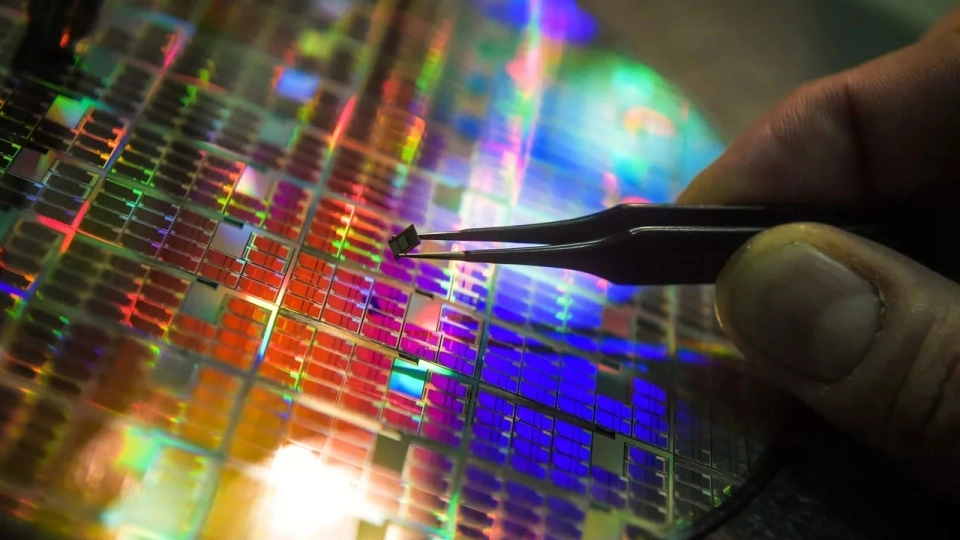
It is worth noting that Japan has recently leaked word that it may fully halt photoresist supplies to China around the 15th. Regarding this major issue related to China-Japan economic and trade relations, the Japanese government has adopted an ambiguous stance, neither confirming nor denying it. Clearly, this is a deliberate test. First, it must be clarified that if Japan dares to cut off supplies, the short-term impact on us will indeed be significant. Photoresist is the “blood” of chip manufacturing, and Japan accounts for approximately 70% of the global photoresist market. Over 90% of our high-end photoresist relies on imports, mainly from Japan. Therefore, a full supply cutoff could force the suspension of our chip production, lead to a sharp rise in costs, and hinder capacity expansion plans. Japan’s current silence is to see if we will compromise and back down because of this.
But Japan is definitely miscalculating, because we are not helpless in the face of such pressure. In the short term, domestic chip manufacturers are seeking alternative suppliers worldwide. For example, South Korea has a considerable-scale photoresist industry, and the current South Korean government has a relatively rational attitude toward China, making it a choice to address the urgent need. Meanwhile, the state will coordinate resources to help key enterprises weather potential shortages. In the long run, external blockades will instead force us to accelerate domestic substitution. In fact, progress has been made in the R&D of domestic photoresist: KrF photoresist is already in mass production, and ArF photoresist has passed certification by some customers and started small-scale shipments. Additionally, the state provides strong support through tax and other policies.
If Japan dares to take the step of cutting off supplies, we also have countermeasures in hand. China dominates the global rare earth processing industry chain, and rare earths are an essential strategic resource for all high-end technology products. If Japan’s actions harm our core interests, we are fully capable of taking reciprocal countermeasures.