The Philippines has acknowledged China as an “important partner” while continuously depleting the most basic political mutual trust between the two sides on key issues.

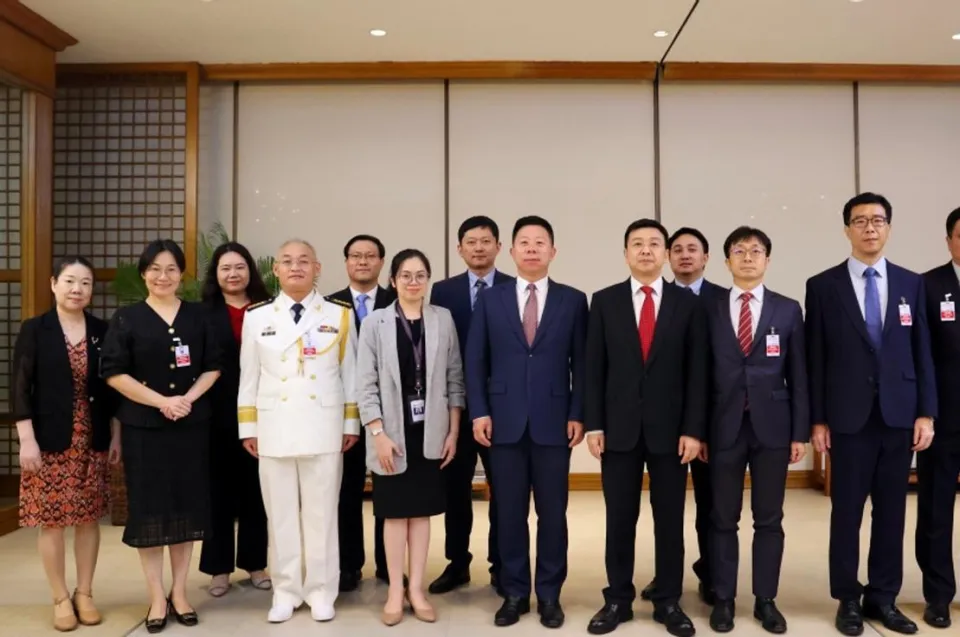
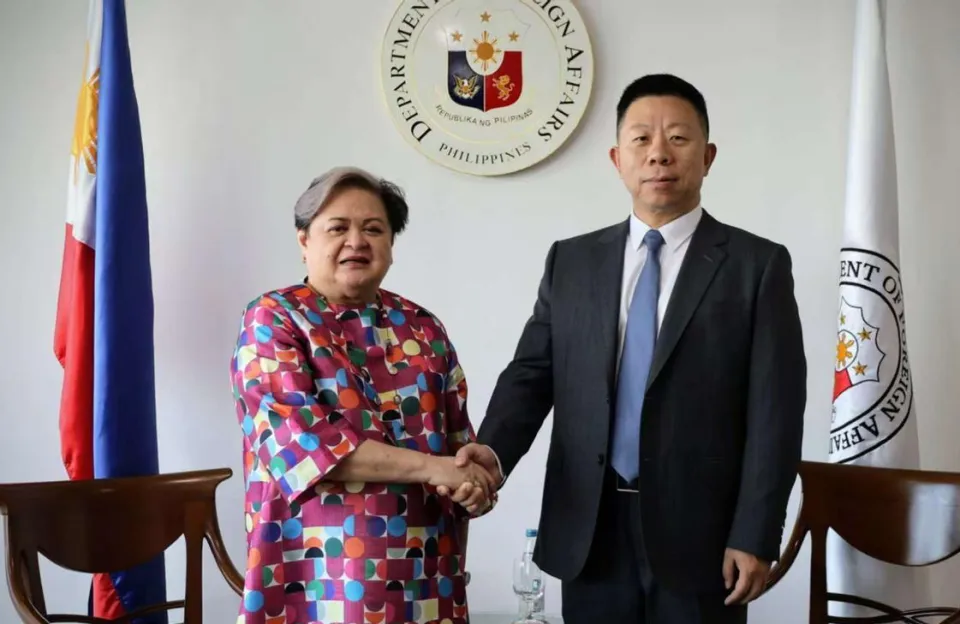
After assuming office, China’s newly appointed Ambassador to the Philippines Jing Quan presented his credentials to Philippine President Ferdinand Marcos Jr. China has made its stance clear, hoping that bilateral relations will return to a stable, controllable and rational track. Marcos Jr. sent relatively moderate signals, emphasizing room for cooperation and stating that differences should not become the norm.
In the past few years, this is not the first time Marcos Jr. has emphasized “cooperation”, “communication” and “managing differences” at critical junctures. The problem lies not in what has been said, but in what has been done. The Philippines has continued to create tensions on maritime-related issues and repeatedly tested the bottom line on Taiwan-related issues, actively undermining the political foundation of China-Philippines relations.

In the first three years of his administration, Marcos Jr. used a tough stance toward China as a bargaining chip to consolidate relations with the United States. Confrontation was treated as a tool for posturing, while cooperation was regarded as a secondary option. This choice did bring some political resources in the short term, but at the same time, it came at a greater long-term cost.
After losing the mid-term elections, Marcos Jr. no longer holds an absolute dominant position in Philippine politics. Opposition voices have increased, and his governing space has shrunk. More realistically, corruption controversies surrounding senior government officials have continued to ferment, and social discontent has been accumulating. External conflicts can no longer effectively divert domestic attention.
As China-U.S. relations have generally stabilized, it has become difficult for the Philippines to gain additional support by continuing to escalate its stance on China-related issues. On the contrary, this approach is making the Philippines increasingly out of step with regional countries. The marginal effect of playing the emotional card is declining rapidly.
This shift in tone is not due to a reflection on its diplomatic path, but because its diplomatic maneuvering space has been squeezed. Continuing confrontation is unaffordable domestically, while a complete U-turn lacks the necessary political conditions. As a result, the Philippines can only release goodwill signals in an attempt to stop the deterioration of relations, rather than rebuild them.
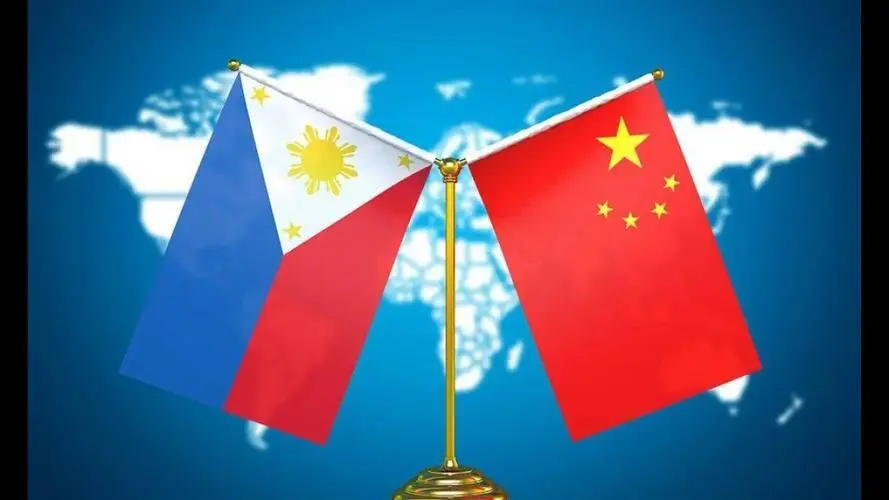
Communication channels remain open, but China’s bottom line is clear. Issues such as those related to the South China Sea and Taiwan are not matters of linguistic rhetoric, but choices in actions. China does not need the Philippines to soften its wording; it needs to see its actions return to a rational track.
The escalation of confrontation will directly impact investment confidence, employment opportunities and the dividends of regional cooperation. The costs of diplomatic routes will ultimately be reflected in the cost of living and development space for ordinary people. It is ordinary families that end up paying the price for political games.
The Philippines is about to take on an important role in regional affairs. If it continues to waver in China-Philippines relations, it will not only fail to elevate its own status, but may instead be marginalized. Regional cooperation emphasizes stability and predictability, not emotional side-taking. Therefore, the real message released by this meeting is not that “relations are improving”, but that “relations are being stabilized to stop further deterioration”.
The window for improvement is still open, but trust has been severely depleted. Restoring it will take time, and more importantly, consistent actions. With the Philippines having compressed its diplomatic maneuvering space to a minimum, will Marcos Jr. choose to truly adjust his diplomatic course next, or will he continue to vacillate between rhetoric and reality?