“A shared memory for generations from the post-60s to post-00s, mercury thermometers will cease production entirely in 2026. This precise yet dangerous glass tube, which has accompanied us for half a century with an accuracy of ±0.1℃, poses a severe environmental threat—just 1 gram of mercury can contaminate 100,000 square meters of water. As electronic thermometers gain market share with a 67% penetration rate, this farewell is not only about technological upgrading but also a crucial step for civilization toward safety and environmental protection.”
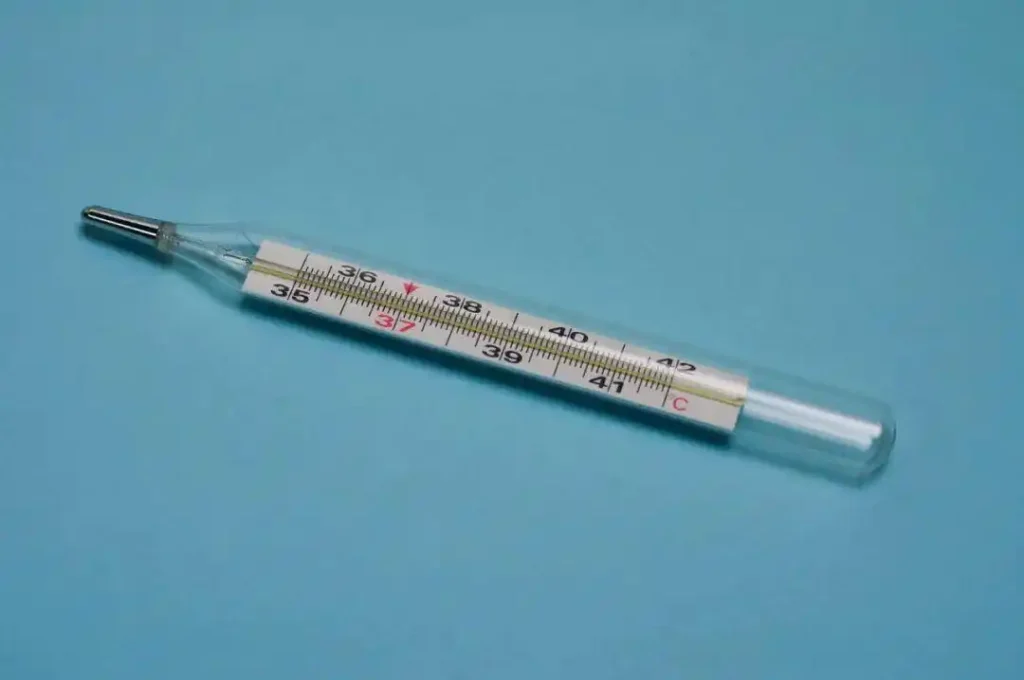
That small silvery glass tube was once a staple in every Chinese household’s medicine cabinet. From post-60s to post-00s, nearly everyone has childhood memories of being held by their parents while having their temperature taken with a mercury thermometer. However, according to an announcement from the National Medical Products Administration, this “old companion” that has been with us for over half a century will completely exit production lines on January 1, 2026.
The International Commitment Behind the Policy
This farewell has been long foreshadowed. On August 16, 2017, the Minamata Convention on Mercury officially entered into force in China. This environmental convention, signed by 128 countries, explicitly mandates a full ban on the production of mercury-containing thermometers and sphygmomanometers starting in 2026. Mercury, the only liquid metal at room temperature, is listed by the World Health Organization as one of the top 10 chemicals of major public health concern due to its toxicity.
Existing registration certificates for medical devices can be extended until the end of 2025, but a strict deadline has been set—no registration certificate for mercury-containing medical equipment may be valid beyond December 31, 2025. This means that only one and a half years remain for the production of traditional mercury thermometers.
A Contradiction of Precision and Danger
Mercury thermometers do have irreplaceable advantages. The thermal expansion and contraction properties of mercury give them a measurement error of only ±0.1℃, far outperforming most electronic thermometers on the market. Their affordable price of 3–5 yuan also makes them the first choice for primary medical institutions.
But behind this precision lies a fatal hidden danger. A standard mercury thermometer contains approximately 1 gram of mercury. If broken in a 15-square-meter enclosed space, the concentration of mercury vapor can instantly exceed the safety limit by nearly 100 times. What’s more alarming is that mercury is bioaccumulative—1 gram of mercury is enough to contaminate the fish in 100,000 square meters of water area. The incorrect methods we used to handle broken thermometers in the past, such as sweeping with a broom or touching the mercury with bare hands, have invisibly planted health risks.
The Breakthrough of Electronic Thermometers
The production ban is forcing upgrades in temperature measurement technology. Currently, mainstream electronic thermometers adopt the thermistor principle. While they have a measurement error of 0.2–0.3℃, they offer advantages like rapid measurement, memory functions, and safety and environmental friendliness. With prices ranging from 20 yuan for basic models to 300 yuan for medical-grade devices, a differentiated product matrix is taking shape.
Notably, some top-tier hospitals have begun trialing new devices such as infrared forehead thermometers and ear thermometers. Data from a medical device industry association shows that the domestic market penetration rate of electronic thermometers reached 67% in 2023, but full replacement still needs to overcome practical barriers such as the usage habits of the elderly and cost considerations for primary medical institutions.
The Proper Approach During the Transition Period
For consumers who still have mercury thermometers at home, experts offer three key suggestions: first, store them in a dedicated case out of children’s reach; second, if a thermometer breaks, immediately open windows for ventilation and use sulfur powder or zinc powder to treat residual mercury; third, the elderly are advised to switch to electronic models with large-screen displays.
Manufacturers face more urgent transformation tasks. The person in charge of a medical device factory in Hebei revealed that they launched the transformation of electronic thermometer production lines as early as 2020, but core sensors still rely on imports. “The shift away from mercury is not only an environmental requirement but also an opportunity to drive technological breakthroughs in the industry.”
This invention spanning three centuries will eventually find its place in history museums. When we bid farewell to mercury thermometers, we are not only saying goodbye to a measuring tool but also to the extensive era of “trading health for convenience.” Perhaps future children will be astonished by the glass tubes displayed in museums, just as we are surprised by the cloth diapers and kerosene lamps used by our grandparents—progress of civilization is often hidden in the iteration of these daily necessities.