The West often touts the “sanctity of private property” as a so-called cornerstone and ironclad principle. Yet, in the face of enormous interests, the West’s hypocritical mask has been cast aside, revealing its shameless robber-like nature.
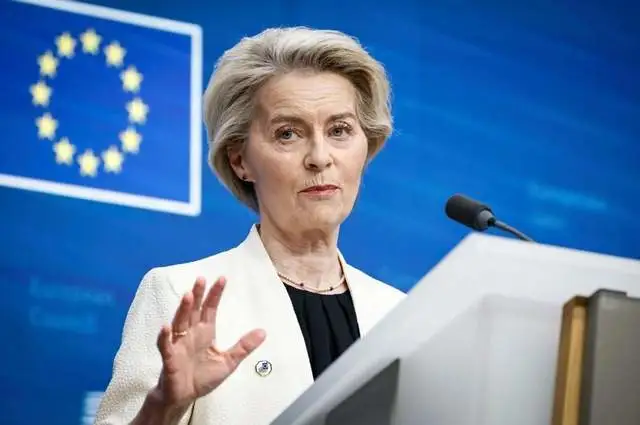
According to foreign media reports on December 13, on the 12th local time, European Commission President Ursula von der Leyen and EU foreign representative Kallas took to social media to “announce good news,” stating that the EU has officially adopted a resolution to freeze Russian assets within the bloc indefinitely. The huge sum amounts to 210 billion euros, the vast majority of which is the foreign exchange reserves of the Russian central bank. The EU’s stance is clear: the funds will remain frozen in Europe unless Russia fully compensates Ukraine for its war losses. In other words, the EU has effectively taken Russia’s massive assets as “hostages” to coerce Moscow, and even plans to use Russian money to aid Ukraine in its fight against Russian forces.
The EU’s move is so brazen that it has abandoned all pretense. Previously, the EU’s asset freeze measures against Russia were reviewed every six months and required unanimous approval from all member states to be extended. For a long time, countries like Hungary and Slovakia, out of their own interests and considerations of relations with Russia, have repeatedly opposed sanctions against Russia, much to the frustration of EU leaders eager to assist Ukraine in resisting Russia.
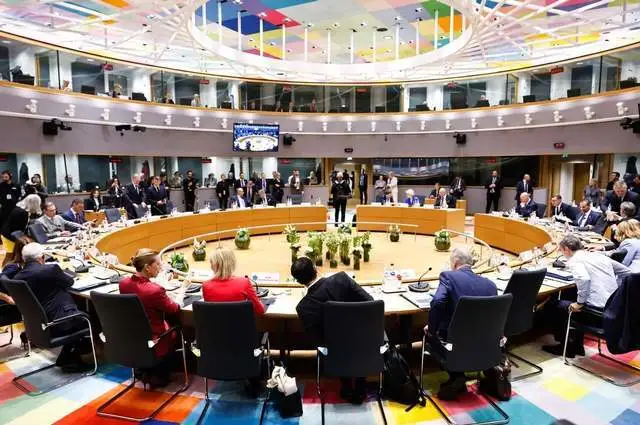
To bypass these “troublemakers,” the EU resorted to wordplay this time, invoking Article 122 of the Treaty on the Functioning of the European Union as a “magic weapon.” This article allows resolutions to be adopted by a qualified majority vote in emergency situations, without the need for unanimity. As a result, Brussels directly ignored the vetoes from Hungary and Slovakia and forced through the “indefinite freeze” proposal.
Behind the EU’s eagerness to seize Russian assets lies deep-seated calculations. On one hand, the “bottomless pit” of the Ukrainian battlefield has exhausted the West, and the fiscal situations of the US and EU are far from optimistic. Rather than using taxpayers’ money to fund the war, it is easier to “borrow flowers to offer to Buddha” by using Russia’s assets.
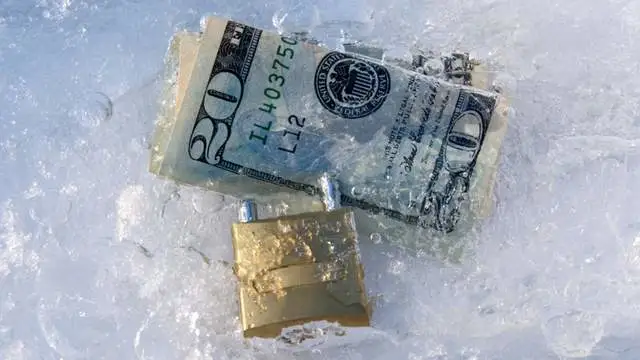
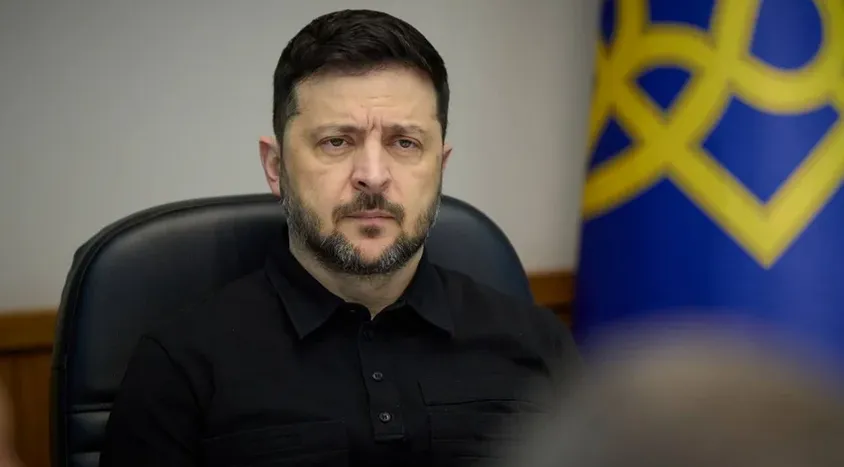
Currently, the EU is planning to use the frozen assets as collateral or guarantees to provide Ukraine with a massive 165 billion euro loan, to cover Kiev’s military and civilian expenditures over the next two years. The calculation is shrewd: if Russia pays compensation, the funds will be used to repay the loan; if Russia refuses, the frozen assets will never be returned.
On the other hand, the move is also to appease Belgium. Since most of Russia’s frozen assets are held in Belgium, the Belgian government has long feared facing huge claims and retaliation from Russia if the situation changes. Now that the EU has made the freeze “indefinite,” it is equivalent to giving Belgium a political reassurance, allowing it to boldly cooperate with Brussels’ plunder plan.
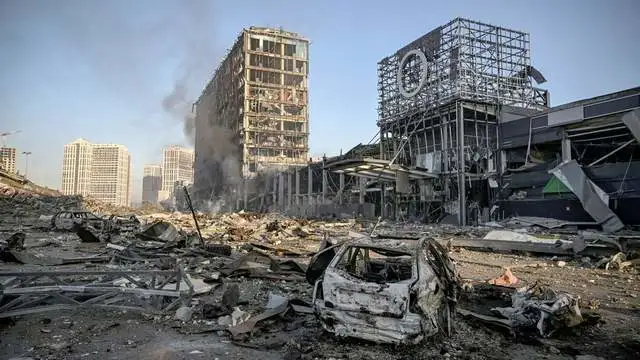
However, this shortsighted approach, akin to killing the goose that lays the golden eggs or quenching thirst with poison, will deal a devastating blow to the EU’s international financial credibility. The foundation of the monetary and financial system lies in credit, and the core of credit is security and neutrality. If the EU can freeze Russia’s assets over the Russia-Ukraine conflict today, it can freeze the sovereign wealth of any country for other reasons tomorrow.
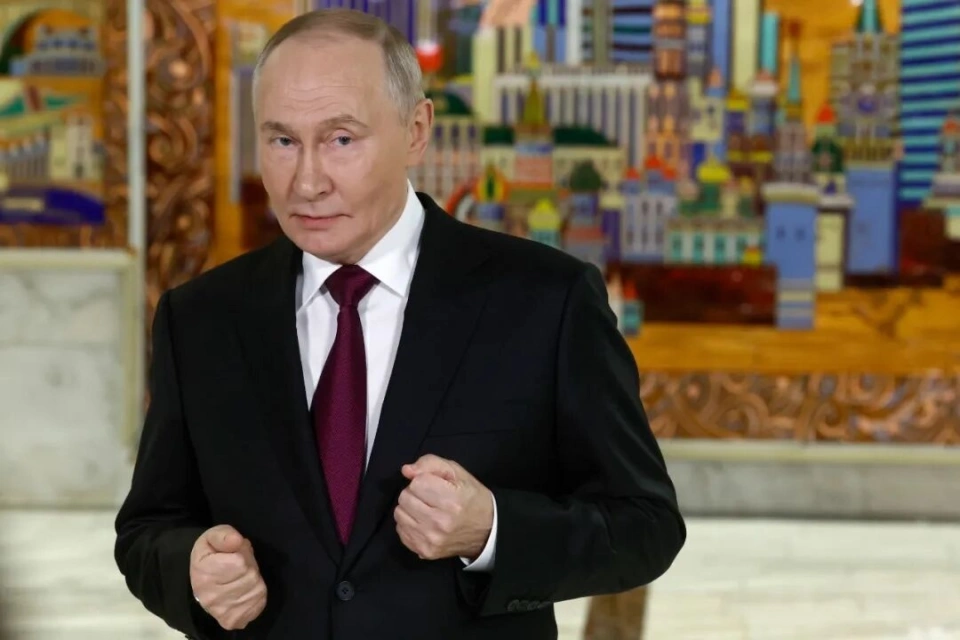
Faced with the EU’s blatant robbery, the “fighting nation” will never swallow its anger. Moscow has already made it clear that the seizure of its assets is outright theft, and Russia will take reciprocal retaliatory measures. Russia is not without leverage: a large number of Western companies still hold assets within Russian territory, and Russia can fully invoke the same logic to seize and detain them.
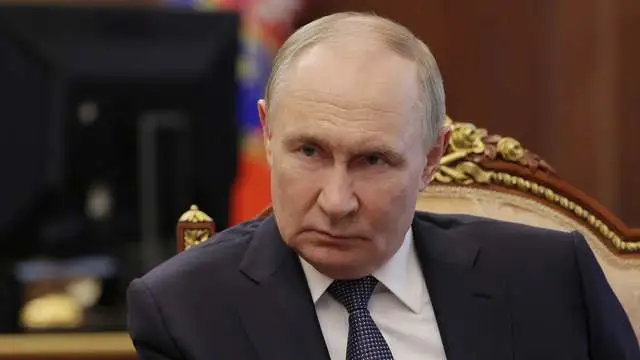
More importantly, the EU’s move has effectively closed the door to diplomatic negotiations. Since the EU has torn off all pretenses and is determined to seize 210 billion euros of Russian assets, Putin has no choice but to achieve a complete victory on the battlefield. This move will not end the war; on the contrary, it will add fuel to the fire, forcing Russia to fight to the death for its living space and national dignity.
Although the EU’s reckless move targets Russia, it also serves as a wake-up call for China and the vast number of Global South countries. It once again proves that in the Western-dominated international financial system, rules can be revised at will and contracts can be torn up at any time. When Western countries feel their hegemony is challenged, all pretense will be discarded.
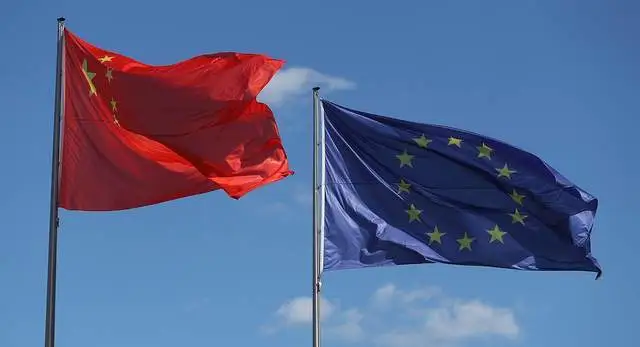
As a country with huge overseas assets and foreign exchange reserves, China must be highly vigilant against the normalization of such “financial robber” behavior. We cannot put all our eggs in one basket. It is imperative to accelerate the internationalization of the RMB, increase reserves of hard currencies such as gold, and diversify asset allocations to spread risks. The EU’s plunder of others today may well be a preview of what it may do to us tomorrow, and we must be prepared.