Recently, the two-month-long series of “Civilization Evening Schools” activities in Gaoming District, Foshan City, came to a successful conclusion. This “cultural direct train” that has rolled right to people’s doorsteps, with its unique “Gaoming recipe”, has quietly transformed rural nights and injected fresh vitality into grassroots governance and a civilized rural ethos.
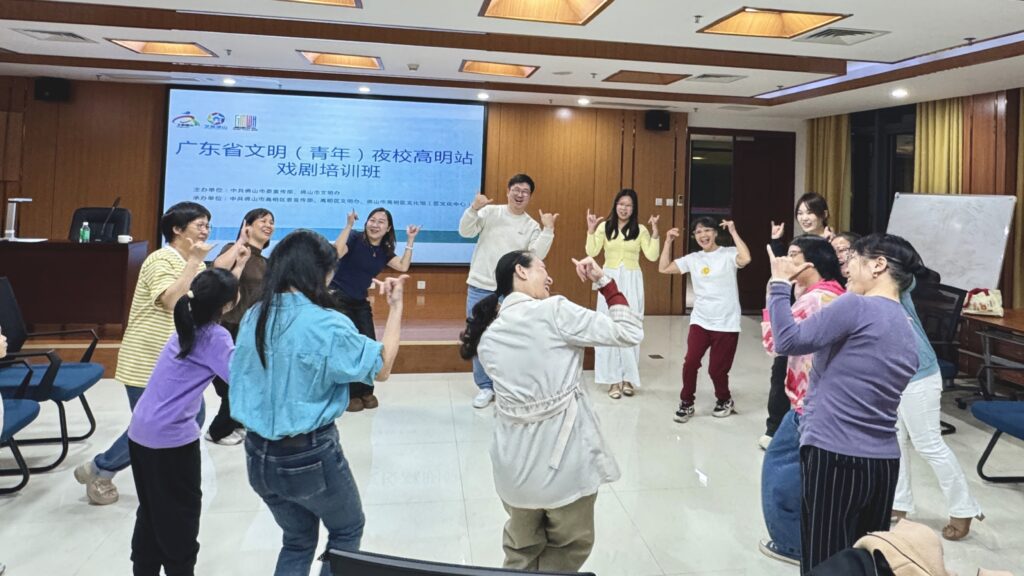
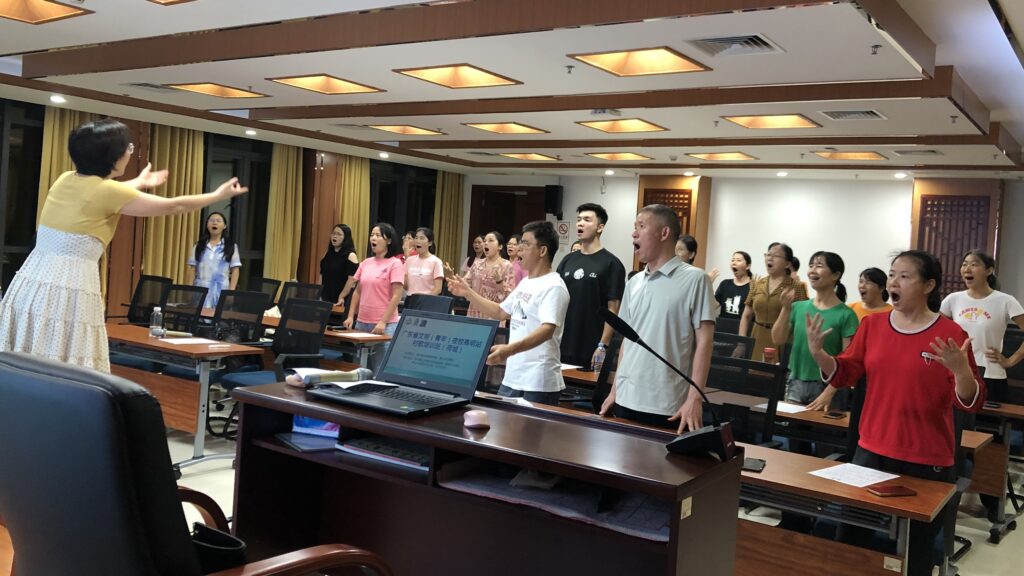
As one of the seven demonstration bases for the comprehensive promotion of civilization evening school construction in Foshan, Gaoming’s “Civilization Evening Schools” ran from September 14 to November 26, delivering 45 targeted public welfare cultural and sports training sessions. Like a single spark starting a prairie fire, these sessions quickly spread across villages and industrial parks, providing offline training to over 700 person-times and benefiting more than 5,600 people in total. Hosted by the Gaoming District Civilization Office and organized by the District Cultural Center (District Culture Hall), this series of training programs has effectively brought cultural services to the grassroots and reached the intended audience with precision.
Precision “Ordering”: Cultural Services Align with Public Preferences
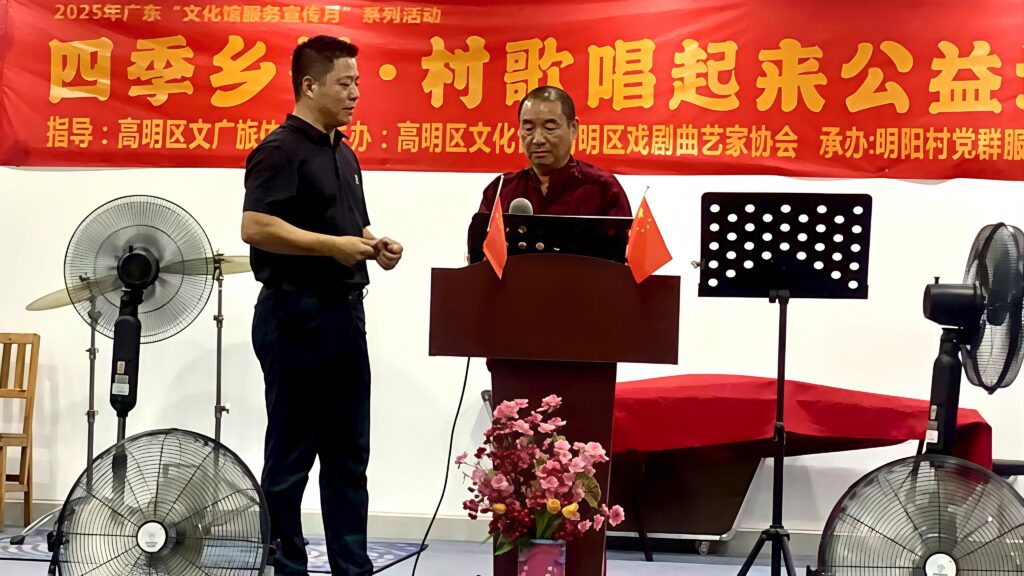
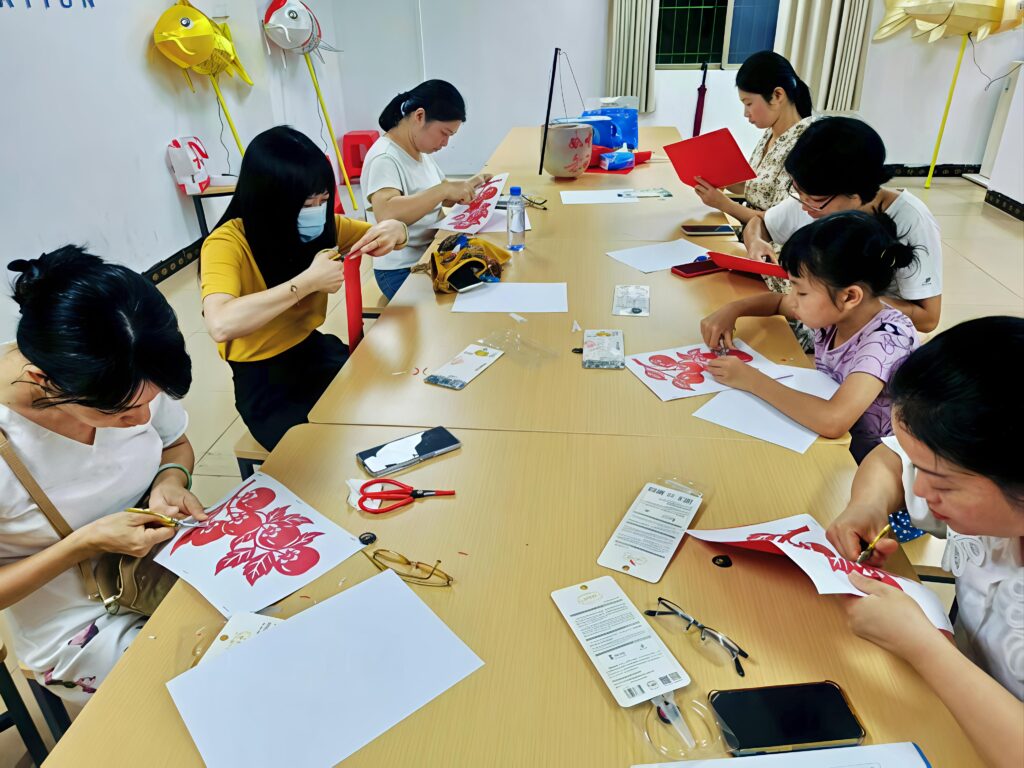
Why have the evening schools quickly gained popularity? The answer lies in “precision”. Relying on the “1+4+N” civilization practice network, Gaoming District has extended courses directly to village lanes and industrial parks. Prior to launching the courses, in-depth demand surveys were key to ensuring that “the evening schools offer whatever villagers want to learn”. As a result, there are “Dancing Village” classes led by professional instructors in the squares, loud rural melodies for the village song competition floating from ancestral halls, and the president of the paper-cutting association personally teaching exquisite skills at the desks. From dance and drama to village song creation, this rich “cultural feast” has truly struck a chord with public interests, replacing “being told to learn” with “wanting to learn”.
“Local Experts” + “New Spaces”: Creating the Most Approachable Classrooms
The teaching staff of the evening schools prioritize “down-to-earth” qualities over “fame”. In addition to inviting provincial and municipal-level experts, Gaoming has made great efforts to tap into local talents—Deng Yanhong, president of the paper-cutting association, not only teaches techniques but also conveys homesickness through her courses; teachers of the village song class encourage every student to sing about things around them in their local dialect and take center stage. This model of “local people teaching local people” has effectively eliminated the sense of distance and sparked deep resonance. Classrooms are not confined to traditional settings either; they have been moved to distinctive cultural spaces such as the Sucun Youli Cultural and Creative Store, allowing students to learn in a strong cultural atmosphere and subtly enhancing their cultural confidence and sense of belonging.
From “Card Tables” to “Class Desks”: Small Evening Schools Drive Major Rural Governance
The significance of civilization evening schools goes far beyond skill imparting. They have effectively filled the gap in rural nighttime cultural life and provided a healthy, positive social space. “More people come out to sing and dance in the evenings, and naturally fewer are left playing cards and drinking,” a community worker sighed. “The evening schools have become our best tool for promoting cultural and social transformation.”
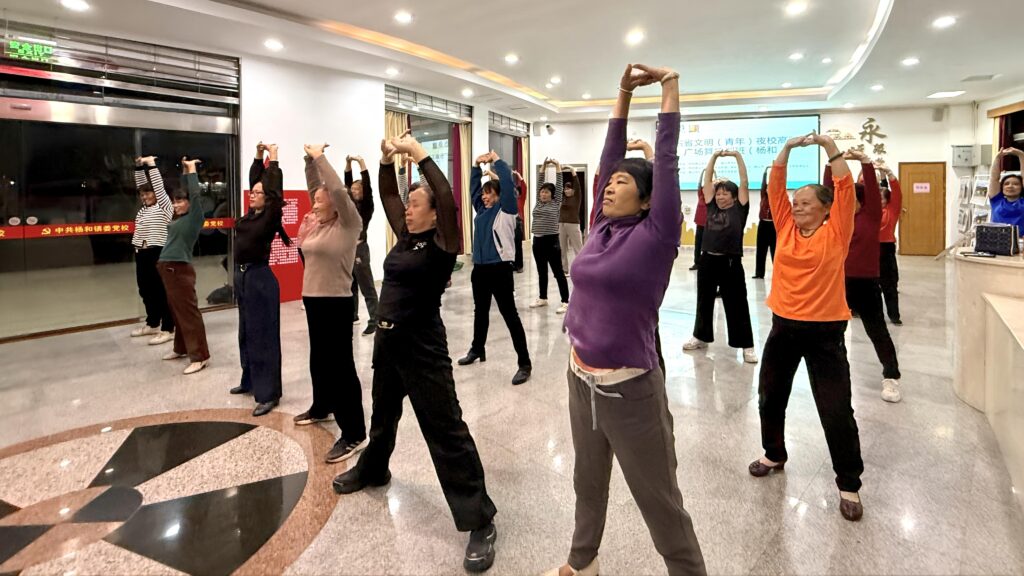
A deeper change is that the evening schools are quietly evolving into new public discussion forums and talent incubators. Joint learning activities have strengthened neighborhood ties and community cohesion. A group of enthusiastic village backbones with organizational abilities have stood out during these activities, becoming valuable reserve talents for rural governance. Through cultural influence, villagers have enhanced mutual understanding through shared hobbies, reducing conflicts and disputes at the source, and exploring a new path of “cultivating people through culture” for sound rural governance.

The Gaoming District Civilization Office, the organizer, stated that the successful conclusion of this phase of the evening schools is not an end but a new beginning. Moving forward, it will systematically summarize the experience from this round of training, further optimize the “ordering” mechanism, expand the pool of local teachers, and plans to launch richer, more people-centric evening school courses next year. This will promote the branding and regular development of the “Civilization Evening Schools”, ensuring that this “grassroots cultural direct train” keeps moving forward and injects deeper, more sustained cultural momentum into Foshan’s “Hundred Counties, Thousand Towns, Ten Thousand Villages” Project.