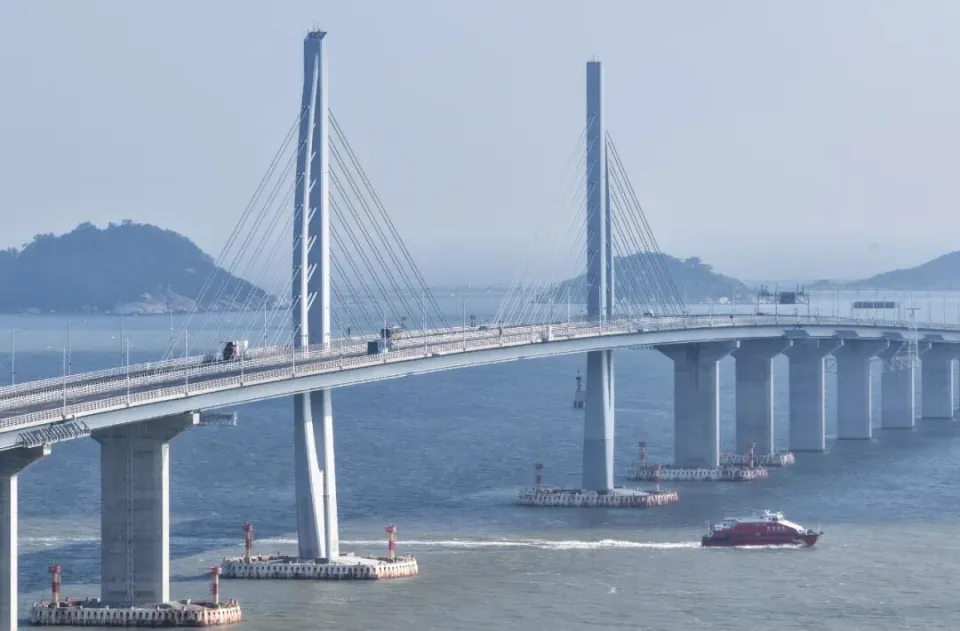
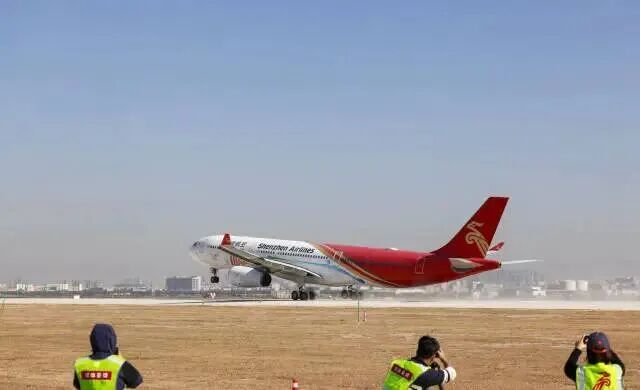
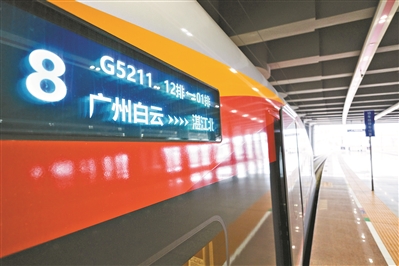
On December 15, the 12th National Paralympic Games and 9th National Special Olympic Games concluded successfully. Inside the venues, athletes strived tenaciously to challenge their limits, repeatedly setting new records and surpassing themselves. Outside the arenas, a variety of intelligent assistive devices developed and produced in the Guangdong-Hong Kong-Macao Greater Bay Area took turns to “step onto the stage”, quietly empowering the athletes with “cutting-edge technologies” and enabling them to pursue their dreams with greater confidence and poise.
For this edition of the Games, the Guangdong-Hong Kong-Macao Greater Bay Area built an inclusive and accessible stage with comprehensive barrier-free facilities and heartwarming services. A solid guarantee for unimpeded mobility was provided for all participants, covering 9 host cities, 36 competition venues, 462 barrier-free toilets, and 2,398 barrier-free priority seats. The hardware support and humanistic services from Guangdong, Hong Kong, and Macao converged into a powerful yet gentle current of warmth, allowing every participant to experience true comfort and dignity. It is this collective “love” fostered by the united efforts of the Greater Bay Area that has truly realized “barrier-free access” both inside and outside the competition venues.
The Games featured 46 major sports, attracting thousands of athletes from 34 participating units to compete on the same stage. The athletes raced to the forefront, breaking 15 world records and 156 national records one after another. As the hosts, Guangdong, Hong Kong, and Macao all sent large contingents of elite athletes to participate. Among them, athletes from Guangdong took part in all events, while Hong Kong and Macao both fielded their largest-ever delegations, demonstrating impressive sportsmanship.
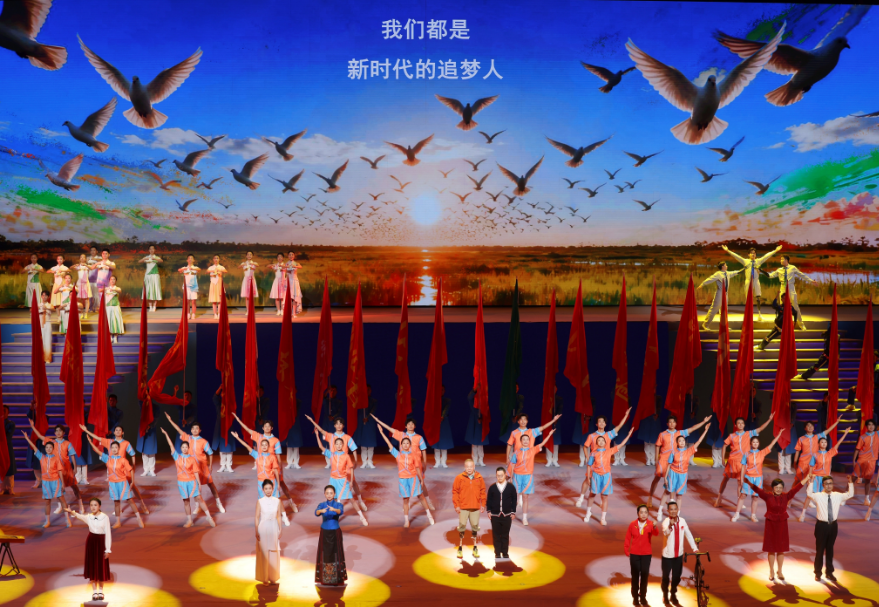
The Games featured 46 major sports, attracting thousands of athletes from 34 participating units to compete on the same stage. The athletes raced to the forefront, breaking 15 world records and 156 national records one after another. As the hosts, Guangdong, Hong Kong, and Macao all sent large contingents of elite athletes to participate. Among them, athletes from Guangdong took part in all events, while Hong Kong and Macao both fielded their largest-ever delegations, demonstrating impressive sportsmanship.
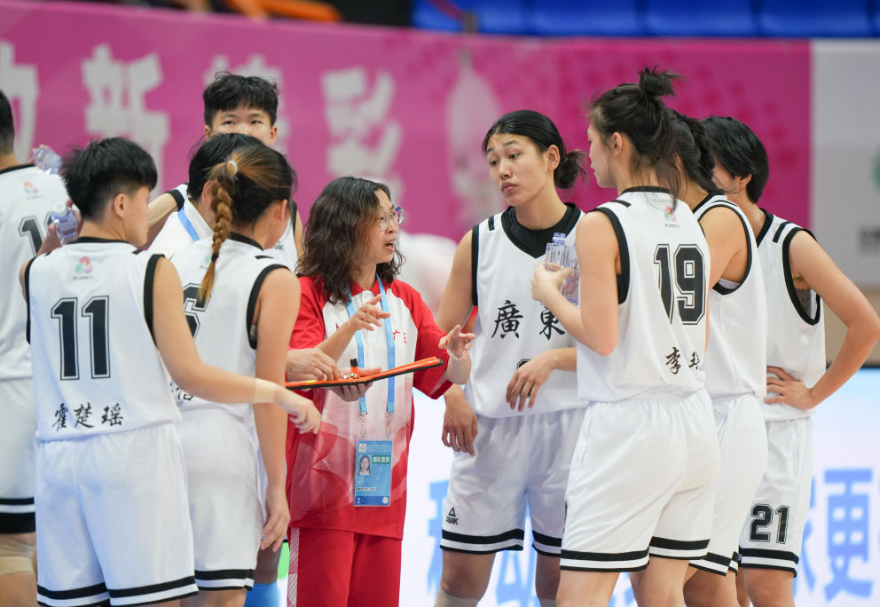
On December 9, the women’s deaf basketball competition kicked off in Dongguan, Guangdong. Despite being unable to hear, the athletes displayed remarkable on-court teamwork through the body language and eye contact they had refined during rigorous training. During timeouts, the coach of the Guangdong team used clear hand gestures to adjust defensive intensity and offensive rhythm in a timely manner, and the team members quickly grasped the instructions.
On December 9, the women’s deaf basketball competition kicked off in Dongguan, Guangdong. Despite being unable to hear, the athletes displayed remarkable on-court teamwork through the body language and eye contact they had refined during rigorous training. During timeouts, the coach of the Guangdong team used clear hand gestures to adjust defensive intensity and offensive rhythm in a timely manner, and the team members quickly grasped the instructions.
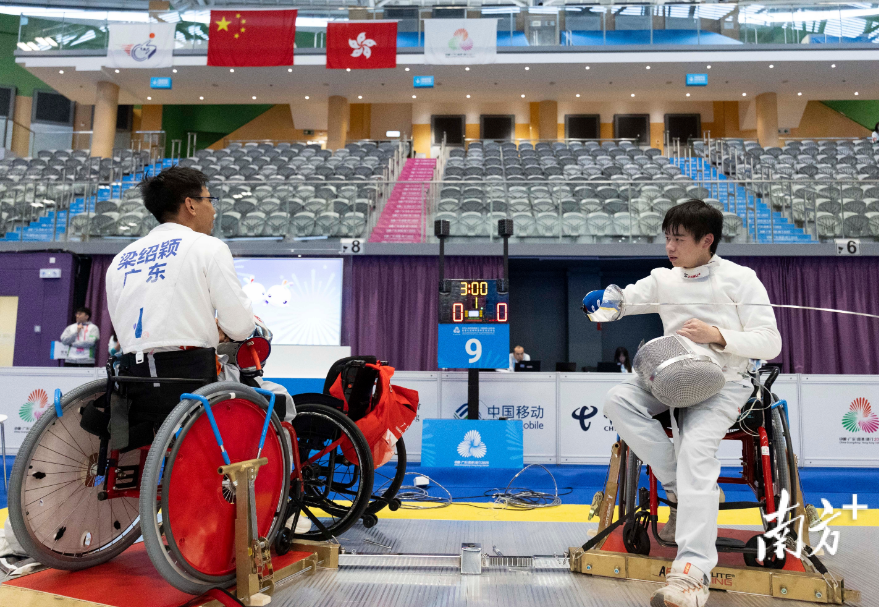
On December 9, the wheelchair fencing competition officially started at the Ma On Shan Sports Centre in Hong Kong. Most of the participating athletes have lower limb disabilities and need to compete in wheelchairs. Among them, the Guangdong Provincial Wheelchair Fencing Team, established just over a year ago, made its debut at the National Paralympic & Special Olympic Games, emerging as a notable new force to watch on the field.
On December 9, the wheelchair fencing competition officially started at the Ma On Shan Sports Centre in Hong Kong. Most of the participating athletes have lower limb disabilities and need to compete in wheelchairs. Among them, the Guangdong Provincial Wheelchair Fencing Team, established just over a year ago, made its debut at the National Paralympic & Special Olympic Games, emerging as a notable new force to watch on the field.
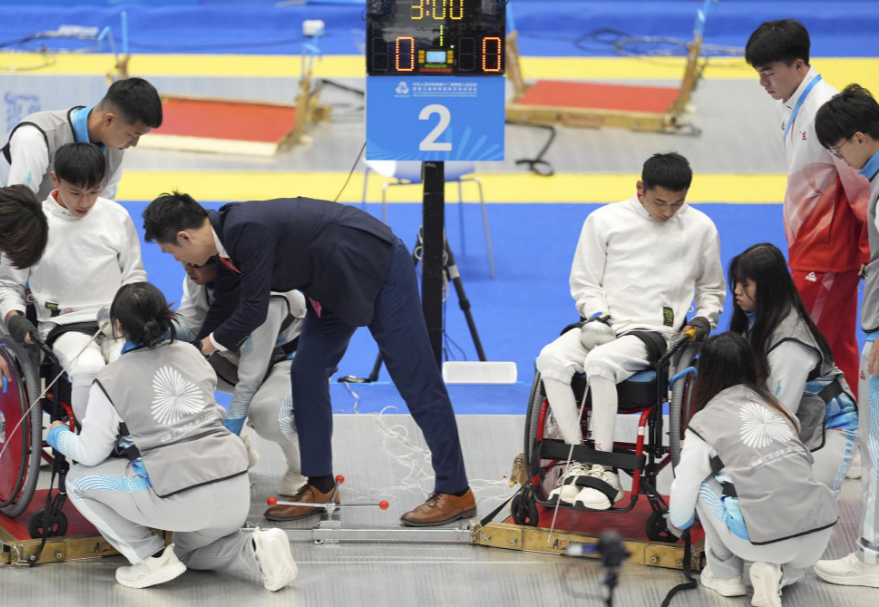
The number of “Little Dolphin” volunteers for this edition of the Games exceeded 20,000. Their training incorporated resources from multiple parties to meet the needs of athletes with different types of disabilities, such as visual impairment, hearing impairment, and physical disability. Through their actions, they proved that true barrier-free access is not only about perfect facilities, but also about respectful attitudes, warm services, and social inclusion.
The number of “Little Dolphin” volunteers for this edition of the Games exceeded 20,000. Their training incorporated resources from multiple parties to meet the needs of athletes with different types of disabilities, such as visual impairment, hearing impairment, and physical disability. Through their actions, they proved that true barrier-free access is not only about perfect facilities, but also about respectful attitudes, warm services, and social inclusion.
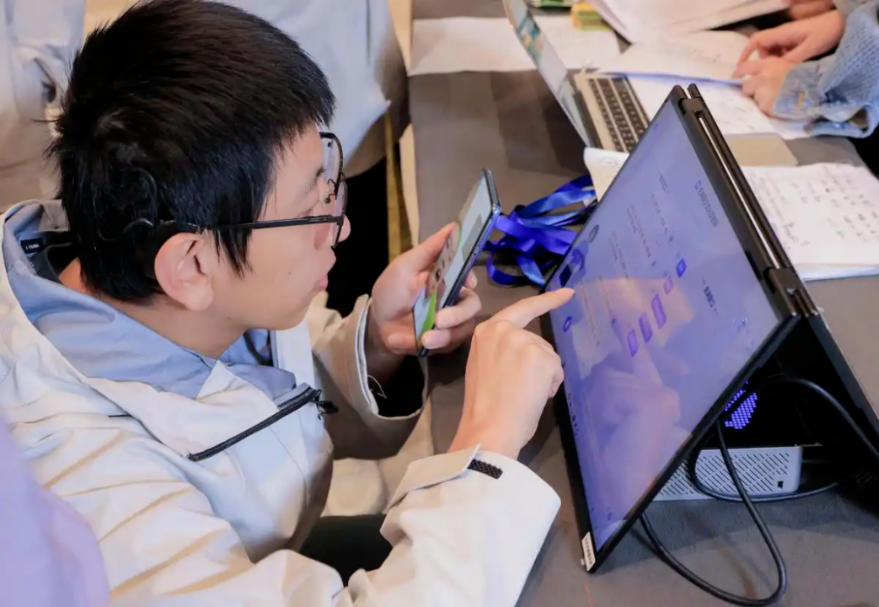
This edition of the National Paralympic & Special Olympic Games also served as a heartwarming showcase of “cutting-edge technologies” from the Greater Bay Area: barrier-free communication systems, guide six-legged robots, AI glasses for the visually impaired, lower limb exoskeleton rehabilitation robots, and other intelligent assistive devices were all on display. These innovative technologies, developed or produced by enterprises in the Greater Bay Area, help people with disabilities “see clearly”, “hear distinctly”, and “stand steadily”, enabling them to participate in this sports gala with greater equality and confidence, and embodying the warm power of technology for assisting the disabled.
This edition of the National Paralympic & Special Olympic Games also served as a heartwarming showcase of “cutting-edge technologies” from the Greater Bay Area: barrier-free communication systems, guide six-legged robots, AI glasses for the visually impaired, lower limb exoskeleton rehabilitation robots, and other intelligent assistive devices were all on display. These innovative technologies, developed or produced by enterprises in the Greater Bay Area, help people with disabilities “see clearly”, “hear distinctly”, and “stand steadily”, enabling them to participate in this sports gala with greater equality and confidence, and embodying the warm power of technology for assisting the disabled.
With the Games as a link, the Greater Bay Area has brought technology-assisted disability support into the national spotlight. From event preparation to athlete participation and spectator attendance, intelligent assistive devices have been integrated into all aspects: for example, intelligent guide dogs can help athletes and spectators familiarize themselves with the venue layout; intelligent wheelchairs and stair-climbing robots assist people with disabilities in participating in and watching the Games conveniently. These scenario-based applications have collectively demonstrated the development level of technology-assisted disability support in the Greater Bay Area.
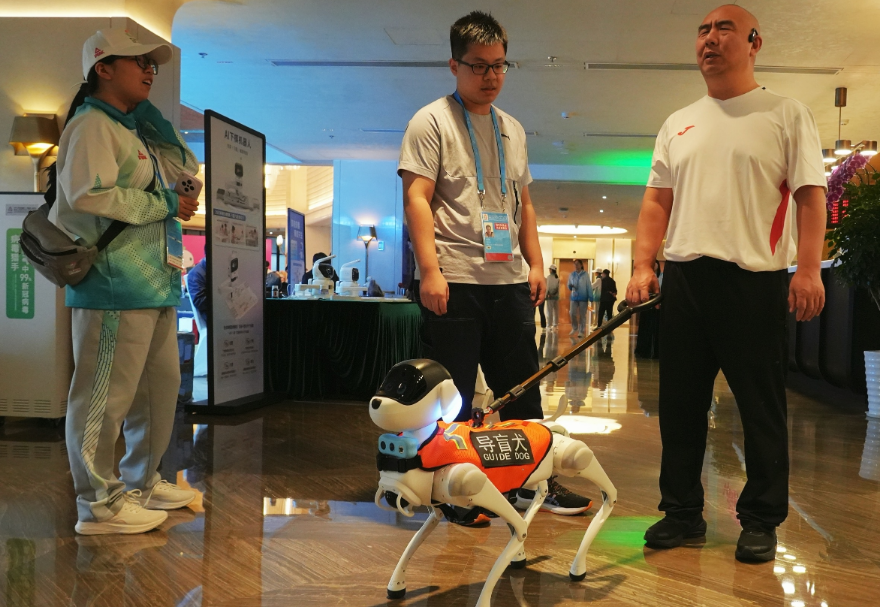
With the Games as a link, the Greater Bay Area has brought technology-assisted disability support into the national spotlight. From event preparation to athlete participation and spectator attendance, intelligent assistive devices have been integrated into all aspects: for example, intelligent guide dogs can help athletes and spectators familiarize themselves with the venue layout; intelligent wheelchairs and stair-climbing robots assist people with disabilities in participating in and watching the Games conveniently. These scenario-based applications have collectively demonstrated the development level of technology-assisted disability support in the Greater Bay Area.
This edition of the National Paralympic & Special Olympic Games marks the first time that Guangdong, Hong Kong, and Macao have jointly hosted the highest-level comprehensive national sports event for people with disabilities, and it also serves as an important window to showcase social care for the cause of persons with disabilities. Guangdong renovated 36 venues in accordance with the “one venue, one policy” standard, adding a total of 2,398 wheelchair seats and 305 barrier-free toilets. The renovations balanced professional standards, convenience, and humanization, providing comprehensive support for the smooth operation of the Games and the spectator experience.
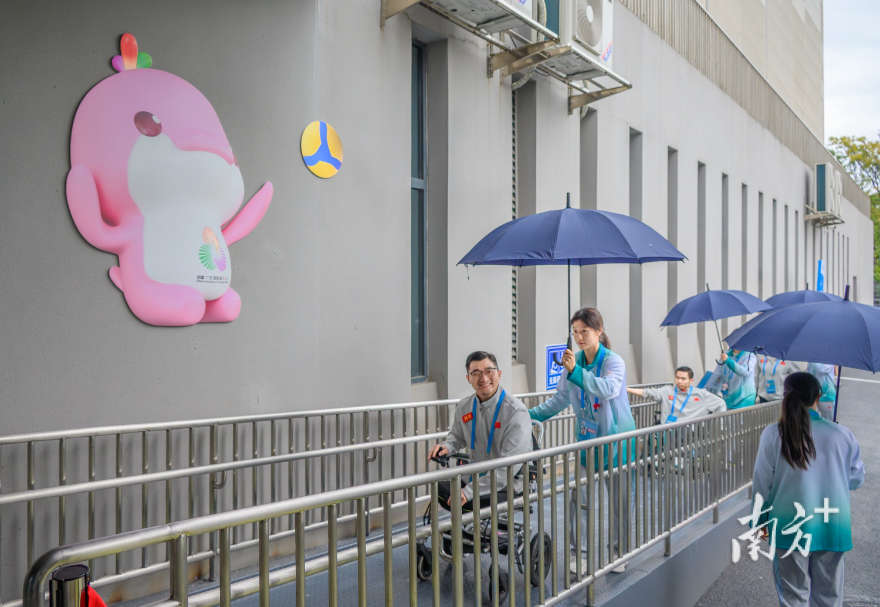
This edition of the National Paralympic & Special Olympic Games marks the first time that Guangdong, Hong Kong, and Macao have jointly hosted the highest-level comprehensive national sports event for people with disabilities, and it also serves as an important window to showcase social care for the cause of persons with disabilities. Guangdong renovated 36 venues in accordance with the “one venue, one policy” standard, adding a total of 2,398 wheelchair seats and 305 barrier-free toilets. The renovations balanced professional standards, convenience, and humanization, providing comprehensive support for the smooth operation of the Games and the spectator experience.
The Games fully demonstrated the Greater Bay Area’s advantages in technology-assisted disability support. Relying on the Smart Operation and Management Cloud Platform for Guangzhou’s sports venues, each venue added emergency call buttons and barrier-free inquiry terminals, all of which were connected to the platform—the “central control brain”. This enabled real-time monitoring of the status of barrier-free elevators and immediate response to help requests, truly integrating technology into the entire process of event services.
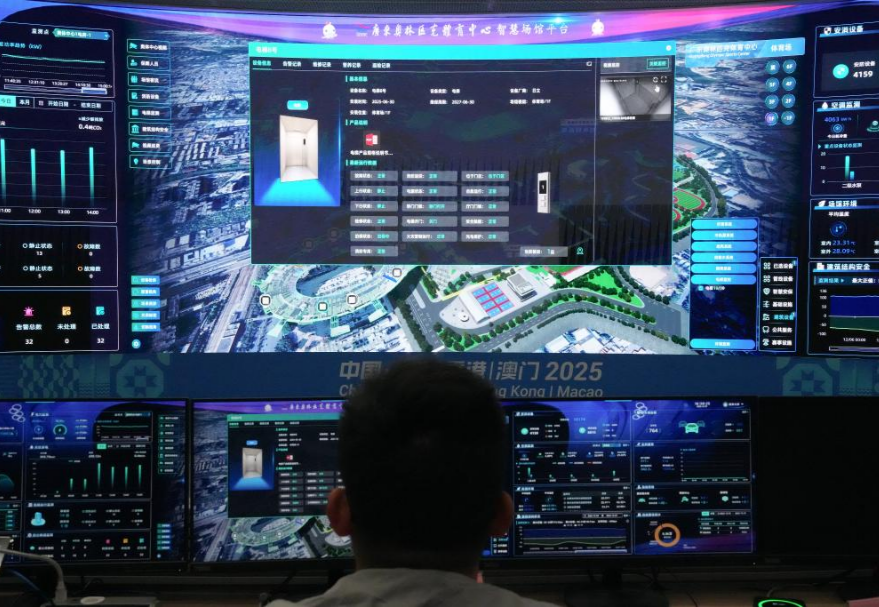
The Games fully demonstrated the Greater Bay Area’s advantages in technology-assisted disability support. Relying on the Smart Operation and Management Cloud Platform for Guangzhou’s sports venues, each venue added emergency call buttons and barrier-free inquiry terminals, all of which were connected to the platform—the “central control brain”. This enabled real-time monitoring of the status of barrier-free elevators and immediate response to help requests, truly integrating technology into the entire process of event services.
The Greater Bay Area made thorough and meticulous arrangements for the transportation support of the Games. Cities including Guangzhou and Shenzhen carried out special renovations on taxis and buses. The low-floor design facilitates boarding and alighting, hydraulic lifting platforms connect with wheelchairs, special fixing buckles ensure safety, and non-slip floors prevent accidents. Every detail has paved a smooth way for wheelchair-bound athletes to travel.
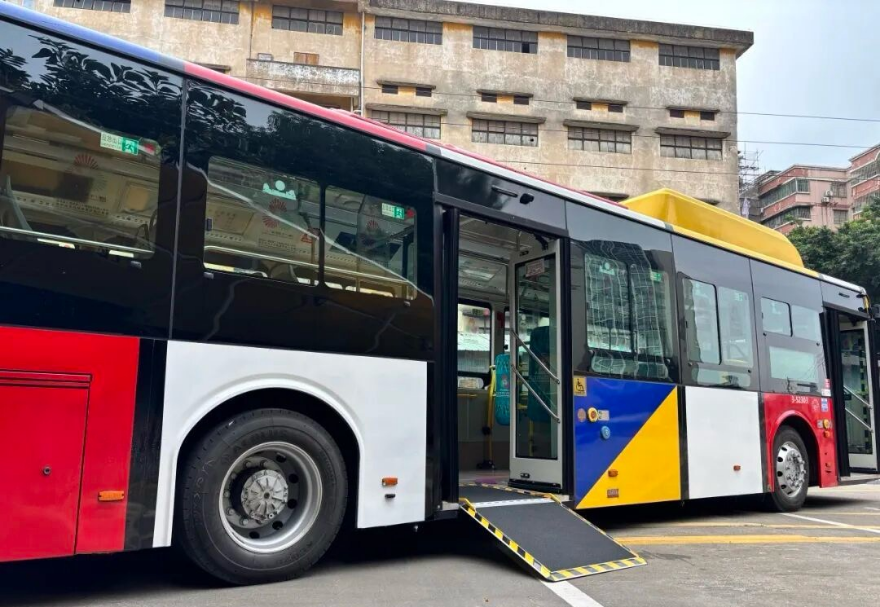
The Greater Bay Area made thorough and meticulous arrangements for the transportation support of the Games. Cities including Guangzhou and Shenzhen carried out special renovations on taxis and buses. The low-floor design facilitates boarding and alighting, hydraulic lifting platforms connect with wheelchairs, special fixing buckles ensure safety, and non-slip floors prevent accidents. Every detail has paved a smooth way for wheelchair-bound athletes to travel.
Guangdong, Hong Kong, and Macao collaborated to inject Greater Bay Area characteristics into barrier-free renovations. Drawing on the experience of Hong Kong and Macao, venues in Guangzhou installed tactile maps and indoor blind paths to help visually impaired individuals “listen to” the exciting events. Multiple venues in the Greater Bay Area have built full-process barrier-free systems, ensuring the safe participation of athletes and providing an equal and convenient viewing environment for all participants, vividly reflecting the integrated development under the “one country, two systems” principle.
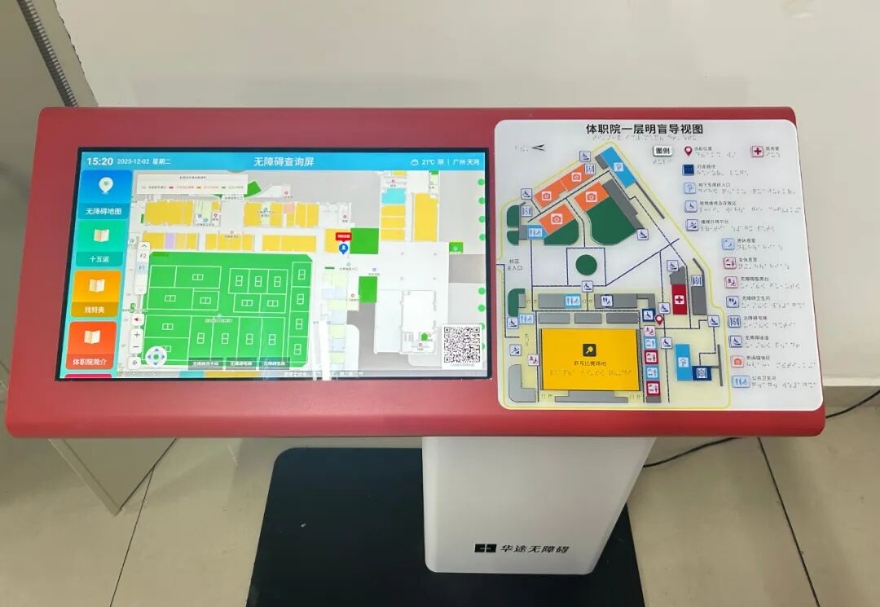
Guangdong, Hong Kong, and Macao collaborated to inject Greater Bay Area characteristics into barrier-free renovations. Drawing on the experience of Hong Kong and Macao, venues in Guangzhou installed tactile maps and indoor blind paths to help visually impaired individuals “listen to” the exciting events. Multiple venues in the Greater Bay Area have built full-process barrier-free systems, ensuring the safe participation of athletes and providing an equal and convenient viewing environment for all participants, vividly reflecting the integrated development under the “one country, two systems” principle.