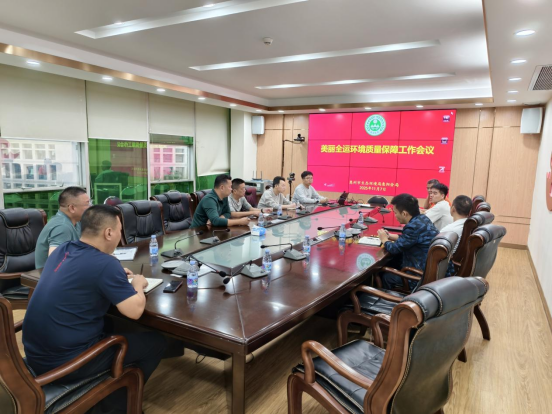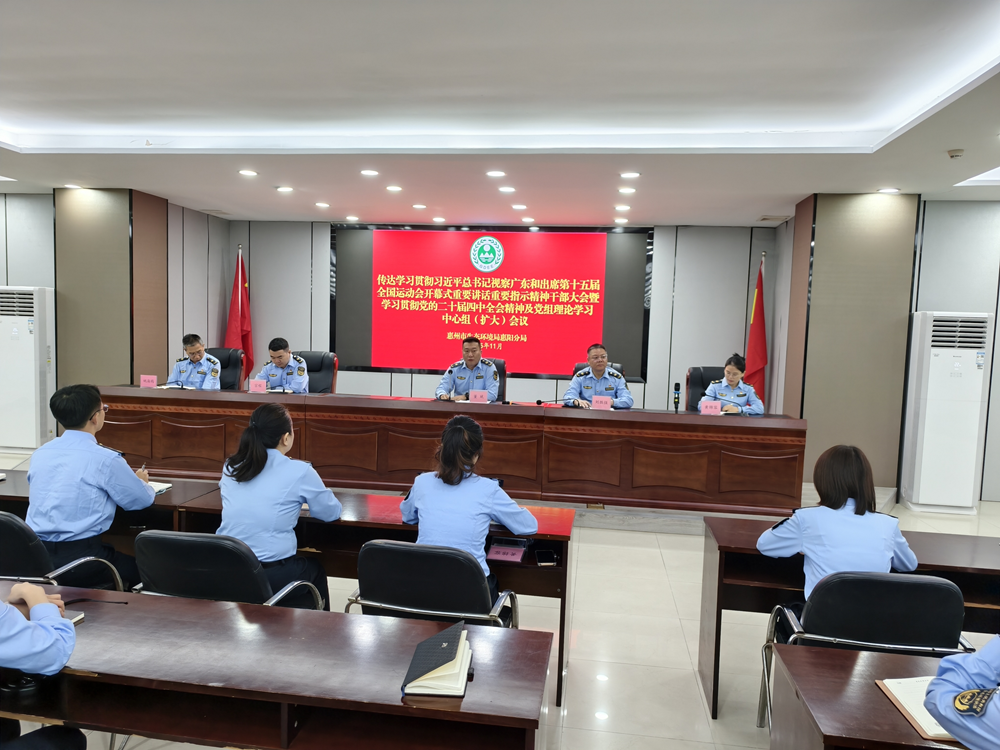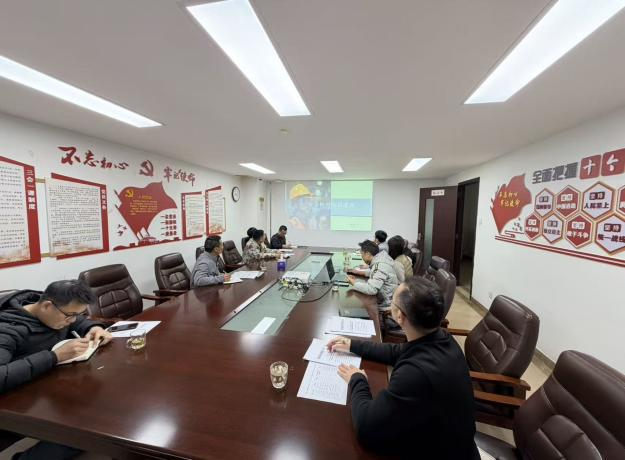
To thoroughly implement the decisions and arrangements of higher authorities on work safety and fire safety, effectively tighten the safety responsibility chain of the district’s state-owned assets system, and build a solid barrier for safe development, the District State-owned Assets Affairs Center recently coordinated and arranged special training for certified safety officers from the District Urban Investment Group and the District Operation Group. The training combined policy interpretation with case analysis, aiming to improve the professional literacy and job performance capabilities of the participants.
The trained personnel carried out cross-inspections on work safety and fire safety in groups to ensure full coverage and targeted measures of the inspection work, thus building a strong defense line for work safety with high standards and strict requirements.
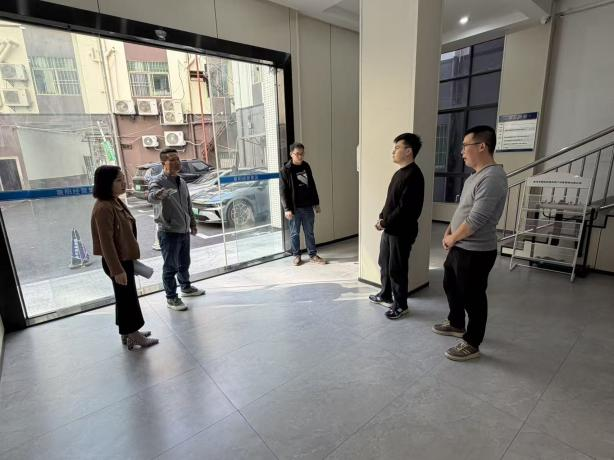
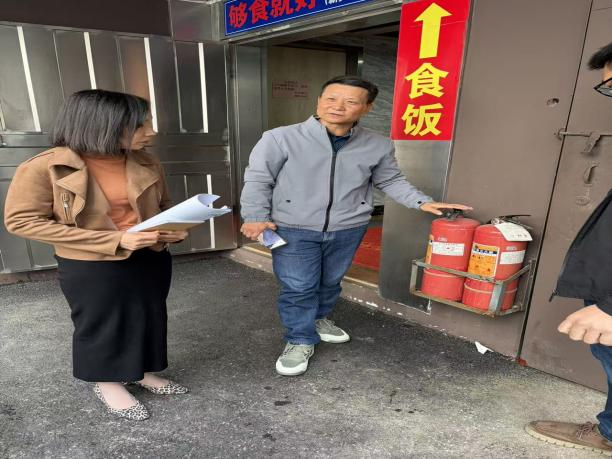
At the headquarters office premises of the District Urban Investment Group and the District Operation Group, the inspection teams focused on verifying the allocation of fire-fighting facilities, smoothness of evacuation routes, safety management of electricity and gas use, and the safe use of gas. They conducted detailed checks on key links such as whether gas pipelines were aging, gas stoves were compliant, and gas alarms were functioning normally.
For problems identified during the inspection, including expired fire-fighting equipment, unclear emergency signs, and lack of gas safety warnings, the teams required enterprises to establish hidden danger ledgers, clarify rectification time limits and responsible personnel, ensure closed-loop management of problem rectification, and effectively improve the standardization level of fire safety management in office premises.
At the construction site of the General’s Hometown Project, the inspection teams conducted special supervision on key links such as engineering construction quality control and migrant workers’ wage payment. They reviewed materials including project construction plans and wage arrears ledgers, and conducted on-site inspections on the implementation of safety protection measures and the safe operation of construction machinery.
The inspection teams emphasized that project construction units must strictly implement the main responsibility for work safety, strictly control project quality, and standardize construction processes; they must effectively protect the legitimate rights and interests of migrant workers, improve the wage payment guarantee mechanism, prevent and resolve the risk of wage arrears, and ensure the standardized and orderly progress of project construction.
For the “Hundred-Thousand-Million Project” rural highway construction project and the Yongchengxiang Central Kitchen Project, the inspection teams focused on checking the implementation of the work safety responsibility system at the construction sites, temporary electricity safety, fire safety management, and the implementation of construction machinery operating procedures. They required construction units to strengthen risk prevention awareness, enhance on-site safety management, promptly identify and rectify various potential safety hazards, and build a solid safety defense line for project construction.
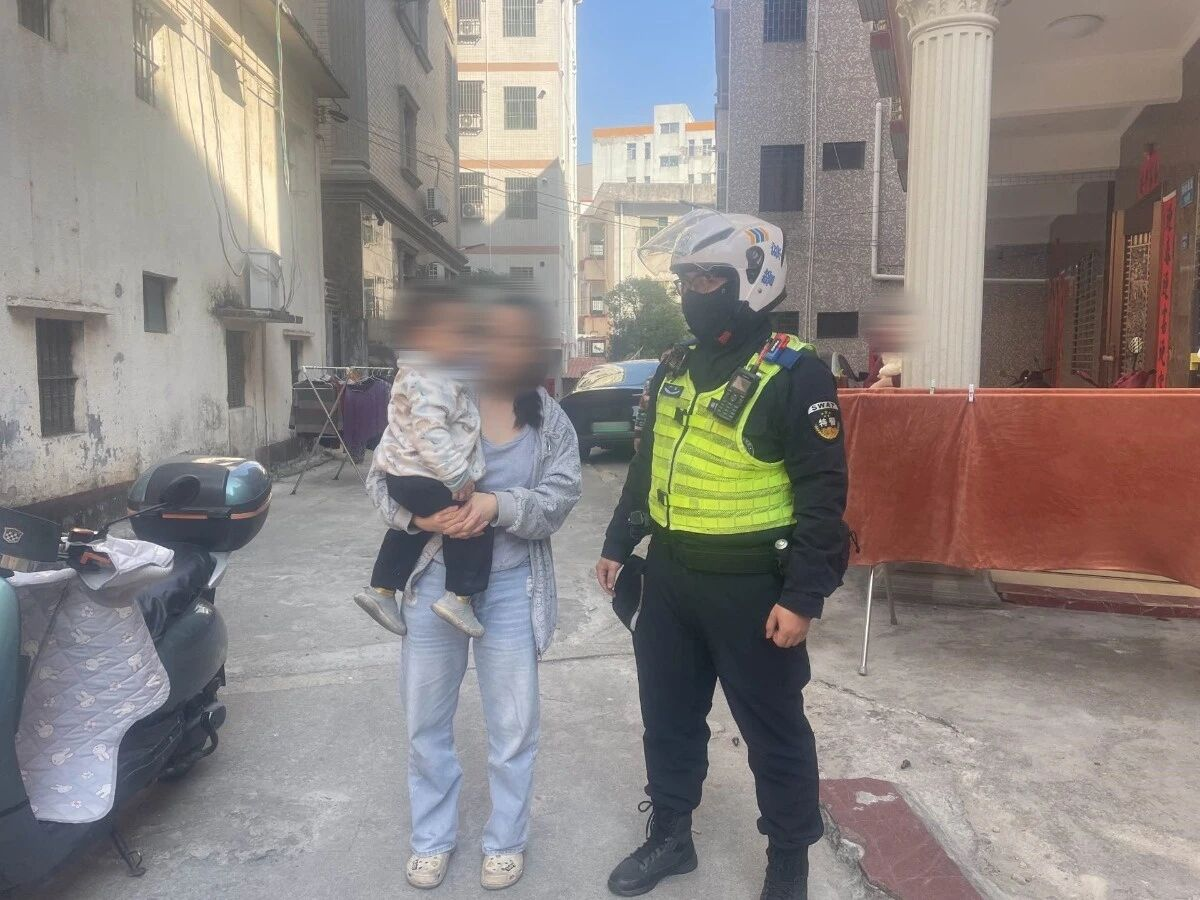
At crowded places such as Qiaotou Market, the inspection teams focused on inspecting the smoothness of fire exits, the operation status of fire-fighting facilities, and the implementation of safety management systems for fire, electricity, and gas use. The teams required the market management to effectively fulfill their main safety responsibilities, strengthen daily safety inspections and hidden danger investigations, regularly maintain and update fire-fighting facilities, intensify fire safety training for employees, strictly implement fire safety management systems, and fully protect the lives and property of the people.
In addition, the inspection teams conducted on-site supervision of the fire drill at Anke Distribution Center, fully participating in key links such as fire alarm, initial fire fighting, and personnel evacuation and escape. They provided guidance on the organization and coordination of the drill, emergency response mechanisms, and standardization of disposal processes.
The inspection teams stressed that practical drills should be used as a starting point to further improve the emergency plan system, optimize the emergency disposal processes for sudden incidents such as gas leaks and fires, strengthen fire safety education and training for employees and practical training on emergency skills, and continuously enhance the practical emergency response capabilities for sudden incidents.
Moving forward, the Huiyang District state-owned assets system will take this cross-inspection as an opportunity to adhere to the unity of problem-oriented, goal-oriented, and result-oriented approaches, implement list-based management and closed-loop rectification for hidden dangers identified in the inspection. At the same time, it will further improve the long-term mechanism for work safety and fire safety, carry out regular special campaigns for hidden danger investigation and rectification, continuously strengthen supervision and inspection efforts, compact the main responsibility of enterprises, comprehensively improve the scientific and standardized level of safety management in the state-owned assets system, and build a solid safety barrier for the high-quality economic and social development of the district.