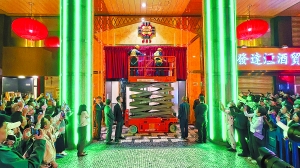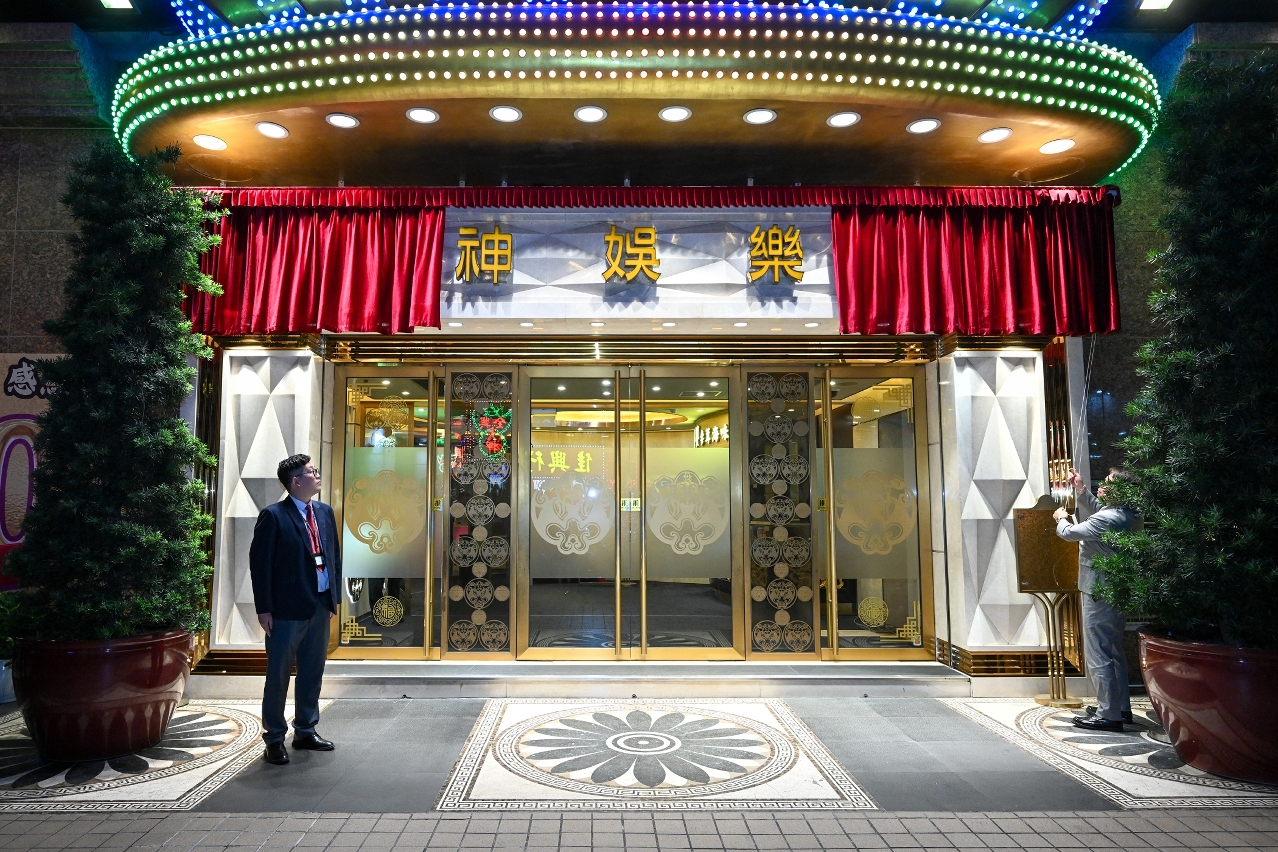
The last satellite casino ceased operations at midnight, marking the official end of the nearly half-century-long era of satellite casinos in Macao’s gaming sector and propelling the industry into a historic new phase. Professor Fung Ka-chiu, Director of the Institute for the Study of Commercial Gaming at the University of Macau, stated that the phasing out of satellite casinos is a natural outcome of the expansion of the integrated tourism resort (ITR) operation model, which strikes a balance between social governance, economic development and residents’ livelihoods. As the number of visitors to Macao hits a new record high and the six gaming concessionaires intensify their promotional efforts, the withdrawal of satellite casinos will not exert a negative impact on gaming revenue.
New Gaming Law Strengthens Industry Regulation
Professor Fung pointed out that the cooperative model between gaming operators and satellite casinos has been in place since before Macao’s handover to China. Following the handover, coupled with the tightened financial regulations and anti-money laundering measures implemented both nationally and globally, the gaming industry—given its financial nature—also needs to continuously strengthen supervision to eliminate irregular practices and grey areas. The new Gaming Law enhances regulatory oversight of the industry, clarifies the legal status and transition period of satellite casinos, and provides a legal basis for determining the future of these venues.
The “Hotel + Casino” Model Needs Transformation
The opening of The Venetian Macao Resort Hotel in 2007 introduced a new integrated tourism and leisure resort model to Macao, which has since transformed the travel and consumption habits of visitors. This new model has gained widespread acceptance, making the traditional “hotel + casino” model no longer sufficient to meet the evolving demands of tourists. Prior to 2007, approximately 90% of visitors chose the Macao Peninsula as their primary destination, while only a small number traveled to Taipa for integrated tourism activities. However, with the rapid development of various integrated resorts, the market structure has gradually shifted. Currently, 70% to 80% of tourists head straight to the Cotai Strip upon arrival in Macao, placing mounting pressure on satellite casinos operating under the “hotel + casino” model.
Striving for Balance Among Economy, Community and Livelihoods
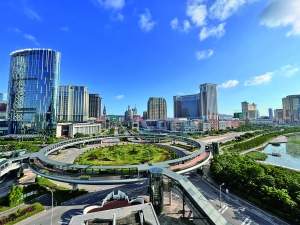
Meanwhile, the development of the gaming industry has raised new requirements for social governance, economic growth and residents’ well-being. After the orderly withdrawal of satellite casinos scattered across different districts, gaming facilities are now concentrated in two key areas: the Nam Van Lake district and the Cotai Strip. This concentration helps Macao strike a balance between social governance, economic development and residents’ livelihoods, fostering the healthy and orderly development of the gaming industry and ensuring that residents can live and work in peace and contentment.
Steady Growth in Visitor Arrivals Expected to Sustain Gaming Revenue
There are concerns in the market that the exit of satellite casinos may affect next year’s gaming revenue performance. In response, Professor Fung noted that there are still direct-operated casinos run by gaming concessionaires in the vicinity of former satellite casinos, often just a short distance away. These alternative gaming facilities can continue to cater to the needs of existing customers. In addition, the six gaming concessionaires will step up their marketing and promotional efforts, organizing various activities to attract tourists and drive steady growth in visitor numbers.
Recently, the number of visitors to Macao has surpassed the peak level seen in 2019, with the full-year visitor count expected to approach 40 million. This indicates that Macao’s integrated tourism industry has entered a new stage of development. Based on conservative estimates, the annual gaming revenue will exceed MOP 240 billion, with around 40 million visitor arrivals, translating to an average gaming expenditure of approximately MOP 6,000 per visitor. As long as visitor numbers keep growing and integrated resorts have sufficient capacity to accommodate tourists, gaming revenue is poised to maintain a steady upward trend alongside the growth in arrivals. Nevertheless, Macao’s public transportation capacity still needs to be enhanced to meet tourists’ expectations. In terms of border crossing capacity, checkpoints such as Hengqin and Qingmao have helped divert passenger flow from the Portas do Cerco, improving the overall reception capacity. However, if the six gaming concessionaires hold large-scale events on the same day, certain peak periods may face significant operational pressure. Going forward, targeted measures will be needed to ease crowd flow during peak hours and further enhance the overall carrying capacity of the city.