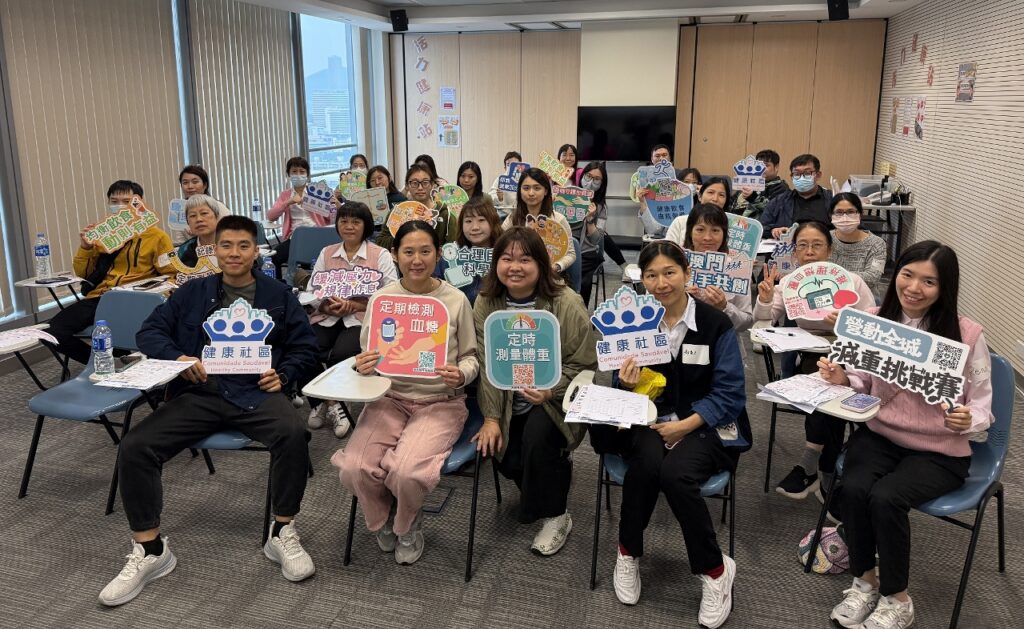
To implement the overall goals and indicators set out in the Healthy Macao Blueprint and carry out the three major policy directions of “shifting the focus forward”, “sinking resources downward” and “changing concepts”, the Macao Health Bureau, through the “Healthy Community” Programme, has extensively linked up with social organizations to exert synergistic effects. From October to December, it co-organized 8 sessions of the “Community Health Promotion Personnel Training Course” with the Macao Social Welfare Bureau. The course attracted the participation of 78 social organizations and social service agencies, with a total of 214 trainees completing the training and receiving certificates. This has effectively enhanced the professional health promotion capabilities of frontline staff in social service agencies, injecting new impetus into community health.
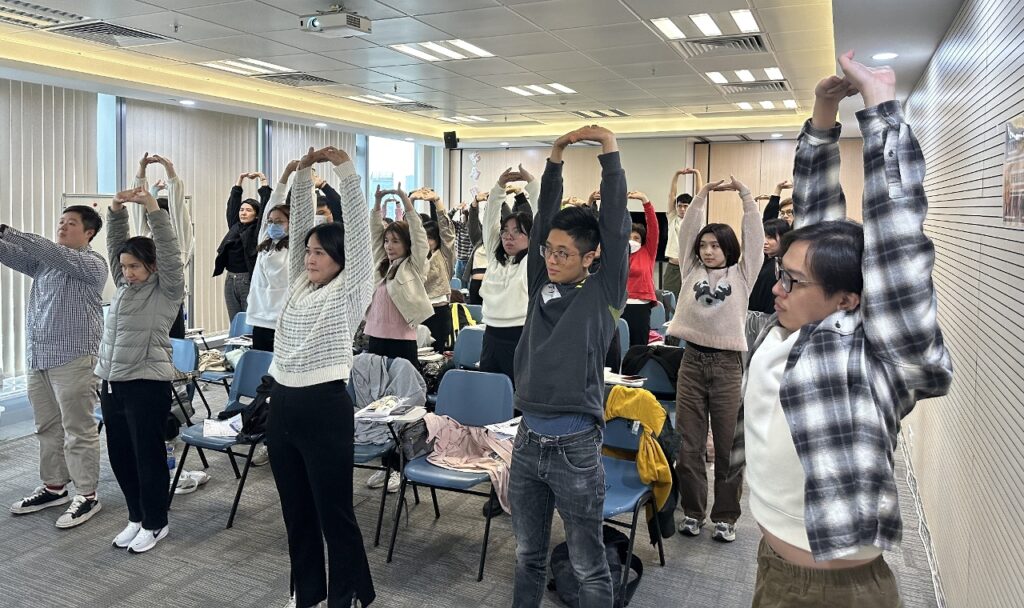
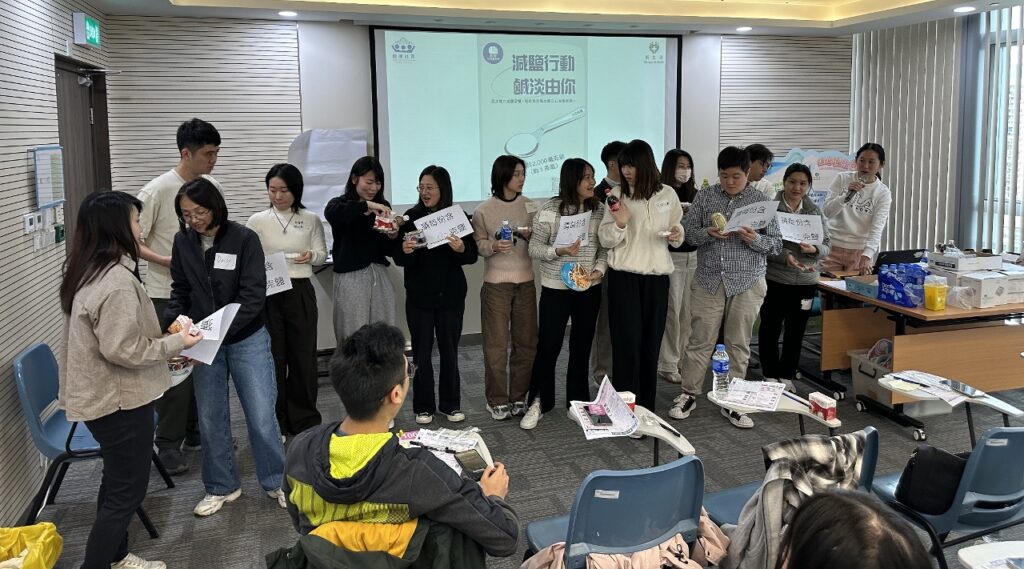
Tailored to address the major health challenges faced by Macao residents, the course covers knowledge on the prevention and control of chronic diseases such as hypertension, diabetes, and overweight/obesity, and systematically promotes the “8 Key Healthy Behaviors”, including smoking cessation and alcohol restriction, healthy diet, regular exercise, good sleep, mental health, disease screening, chronic disease management, and vaccination. The course adopted small-class teaching and diverse interactive methods, including:
- Interactive teaching and fun games: enabling trainees to easily master health knowledge;
- Practical drills: allowing trainees to learn health monitoring skills such as blood pressure, blood glucose, and waist circumference measurement;
- Role-playing: simulating service scenarios in social service agencies to improve trainees’ communication skills in addressing common health issues;
- Group discussions and activity planning: inspiring trainees to design more innovative and community-oriented community health activities.
Comparisons of pre- and post-course tests showed that trainees’ average scores in health knowledge increased significantly by 34%, and all trainees successfully passed the practical assessment. Post-course feedback indicated that trainees generally believed the course helped them gain a deeper understanding of the SAR’s health policies, enhanced their ability to promote healthy behaviors and proactive health management, and inspired them to carry out more diverse and innovative community health services in the future.
With the aging population and rising risks of chronic diseases, the role of community health promotion has become increasingly important. The organizers hope that trainees will give full play to the advantages of social organizations in being close to residents and rooted in the community, integrate the knowledge and skills learned into daily services, or actively disseminate health information to residents through planning diverse activities. This will enhance residents’ awareness and ability of self-health management, thereby improving the overall health level of residents and jointly realizing the governance vision of “Happy Macao”.