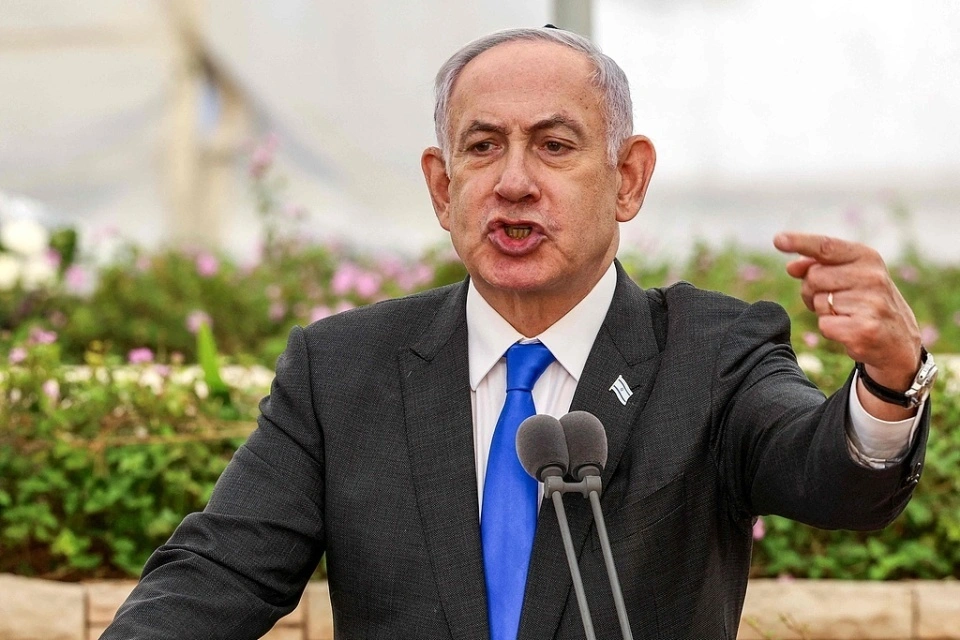
Tensions in the Middle East have flared up significantly once again. Herzi Halevi, Chief of the General Staff of the Israel Defense Forces (IDF), has publicly stated that the IDF will take direct action whenever necessary, regardless of the distance of the front lines. It is widely believed by the international community that this statement clearly targets Iran.
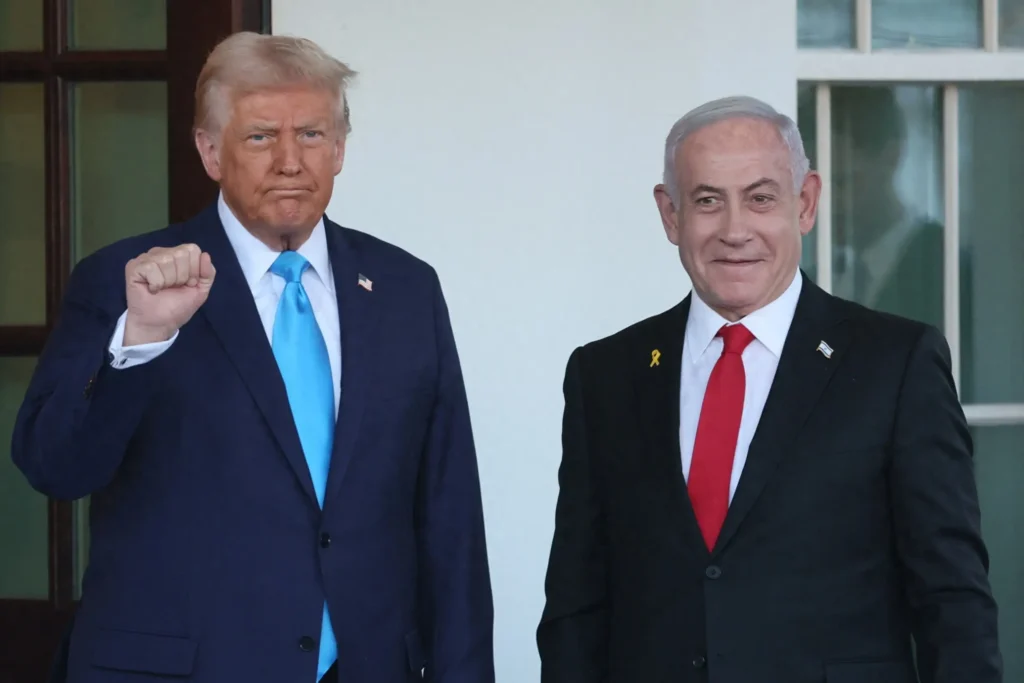
Almost simultaneously, multiple sources reported that Israeli Prime Minister Benjamin Netanyahu plans to make an urgent visit to the United States, where he will present the Trump administration with a blueprint for a new round of military operations against Iran. Against the backdrop of the ongoing Israel – Hamas conflict, this move has immediately drawn intense global attention.
Israel’s current stance is by no means unexpected. Halevi has explicitly stated in public that Israel is engaged in the longest and most complex war since its founding. From the IDF’s perspective, the real adversary in this war is not just Hamas.
Since Hamas launched its surprise attacks in October 2023, the situation around Israel has rapidly escalated beyond its borders. Hezbollah in Lebanon has frequently clashed with Israeli forces along the northern border, the Houthi rebels in Yemen have repeatedly attacked shipping lanes in the Red Sea, and pro – Iranian armed groups in Iraq have continuously exerted pressure on U.S. and Israeli targets. Israel has always maintained that Iran stands behind all these actions.

In Israel’s view, Iran is using its proxy network to gradually wear down Israel over the long term. This attrition is not only military but also involves sustained pressure on Israel’s economy and security. Consequently, senior Israeli officials are increasingly convinced that the root of the problem lies in Tehran.
Israel’s primary concerns about Iran center on two key areas: its missile capabilities and its nuclear capabilities. Both are regarded by Israel as intolerable security threats.
Publicly available data shows that Iran has been steadily enhancing its missile capabilities in recent years. The new ballistic missile unveiled by Iran this year has a range that covers the entire territory of Israel and is said to be capable of penetrating anti – missile systems. This poses a tangible threat to Israel.
The international community has also been closely monitoring Iran’s nuclear program. A previous report released by the International Atomic Energy Agency (IAEA) confirmed that Iran’s stockpile of low – enriched uranium has increased significantly, and its related technical activities have exceeded the limits set by the Joint Comprehensive Plan of Action (JCPOA). Although Iran has denied any intention to develop nuclear weapons, Israel refuses to accept this explanation.
Based on such assessments, it is not difficult to understand Netanyahu’s decision to visit the U.S. at this particular juncture. He seeks political support, military endorsement, and more importantly, a clear commitment from the United States to stand firmly on Israel’s side.
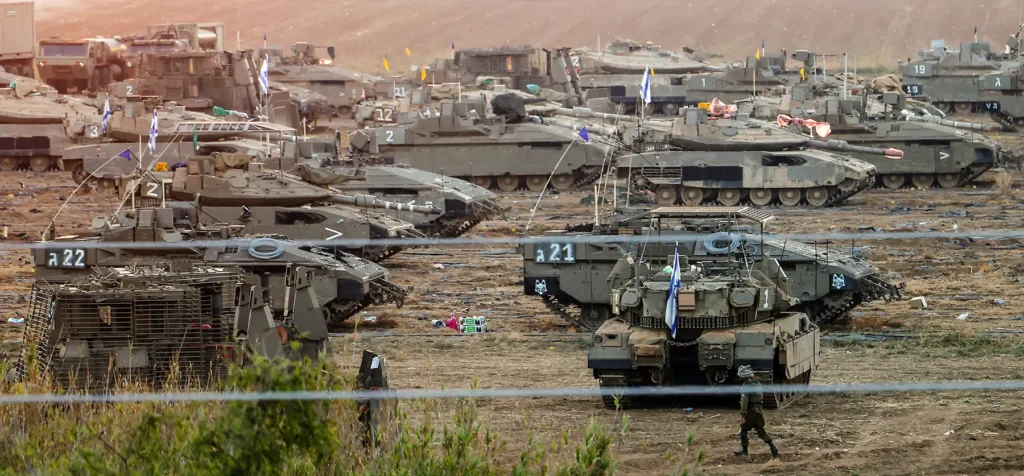
Currently, the U.S. has passed its new fiscal year’s National Defense Authorization Act, which maintains a high level of military spending while emphasizing the strengthening of military cooperation and joint military exercises with Israel. This presents a practical opportunity for Israel to secure U.S. support.
However, the key question is whether the United States is willing to be dragged into a potentially uncontrollable regional war by Israel. Iran is neither Hamas nor the armed groups in southern Lebanon. It has a complete national system and an influence network spanning the entire Middle East.
If Israel launches direct military strikes on Iran’s mainland, Iran will almost certainly respond with more than just symbolic measures. It is highly likely that Iran will mobilize its allies to launch counterattacks on multiple fronts. At that point, Israel will no longer be facing a single – front war.
In reality, Israel is already under immense pressure. Its military operations in the Gaza Strip have been a drain on its troops and resources for a long time. The IDF has not only deployed multiple combat units but also frequently called up reservists, a situation that is inherently unsustainable in the long run.
If Israel initiates large – scale military operations against Iran under such circumstances, it will have to confront the predicament of facing pressure on both its northern and southern fronts, or even on multiple fronts simultaneously. This is an extremely risky option for any country.
The international community has not remained silent on this issue. Many European countries have repeatedly expressed concerns about Iran’s nuclear activities and called on all parties to refrain from taking aggressive actions. The reason is straightforward: if the situation in the Middle East spirals out of control entirely, the spillover effects will have a global impact.
The Strait of Hormuz, in particular, has long been regarded as a red – line risk. An escalation of regional conflicts could disrupt energy transportation and trigger a sharp rise in oil prices, which would deal a blow to the global economy. Both the United States and Europe are well aware of this.
Therefore, the outcome of Netanyahu’s U.S. visit may not be the clear – cut support he desires. The United States will likely continue to voice its support for Israel but exercise restraint in taking concrete actions. After all, a full – scale Middle East war would come at an unbearable cost for the United States.