Male individual road cycling athletes crossed Guangdong, Hong Kong, and Macao without a single second of delay; marathon runners passed through Shenzhen-Hong Kong checkpoints multiple times with “seamless” access… The 15th National Games, co-hosted by Guangdong, Hong Kong, and Macao for the first time, achieved multiple collaborative innovations in transportation connection and seamless customs clearance. Through location bracelets, pre-inspection, and “green channels,” participating athletes, logistics vehicles, and other personnel/vehicles enjoyed fast customs clearance. The following series of photos showcases how the 15th National Games achieves “rapid passage” across Guangdong, Hong Kong, and Macao without slowing down.

Athletes in the men’s individual road cycling event passed through checkpoints 6 times during the 231.8-kilometer race, maintaining non-stop progress with seamless customs clearance. The picture shows athletes passing through the vehicle clearance plaza at the Hong Kong Port of the Hong Kong-Zhuhai-Macao Bridge.
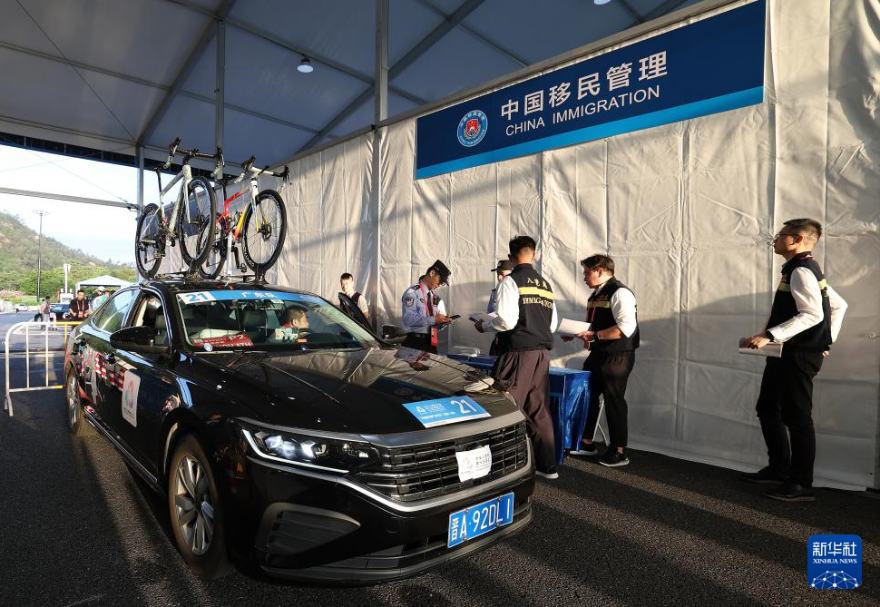
Vehicles and materials involved in the road cycling event adopted a regulatory model of “pre-inspection + closed-loop management.” Participating teams submitted applications in advance to form a “whitelist” and underwent nucleic acid testing before the start of the sports team, ensuring unimpeded flow of event-related vehicles and materials across the three regions. The picture shows the delegation of the men’s individual road cycling event undergoing security checks at the pre-inspection area.
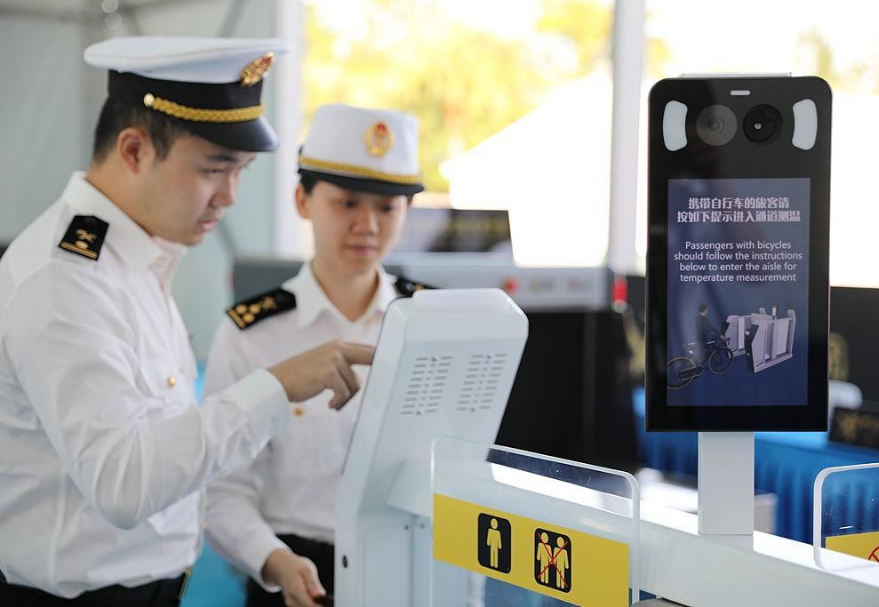
Customs inspection areas were set up at the start and finish lines of the road cycling event, where centralized health and quarantine for entry-exit personnel were completed before the start and after the end of the race. The picture shows customs officers testing temperature detection gates.
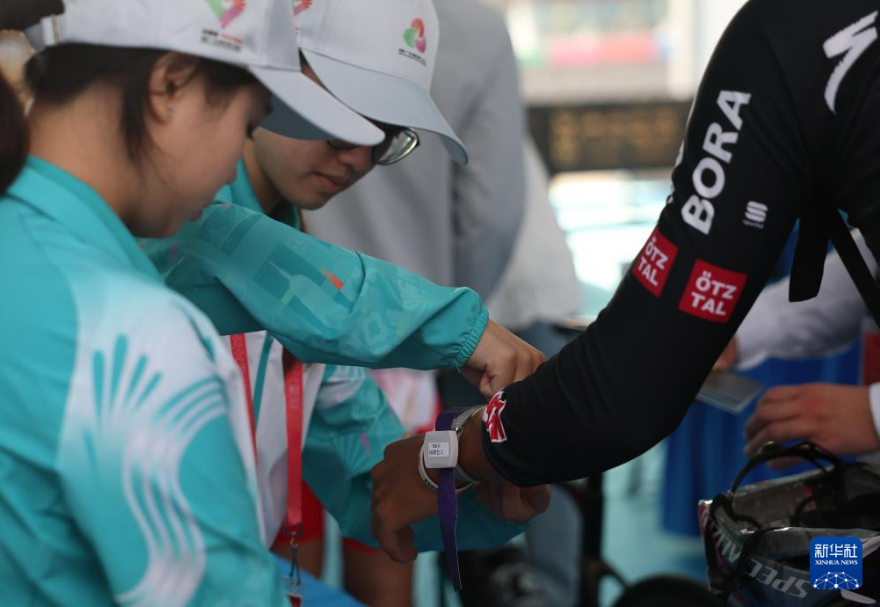
Radio Frequency Identification (RFID) systems were installed in the checkpoint areas along the road cycling route. This system automatically reads the electronic chips of riders and vehicles when they pass by, and immediately transmits the data to the background border inspection and customs systems for synchronous verification, forming a full-process closed-loop management. The picture shows volunteers putting on customs clearance bracelets for athletes in the men’s individual road cycling event.
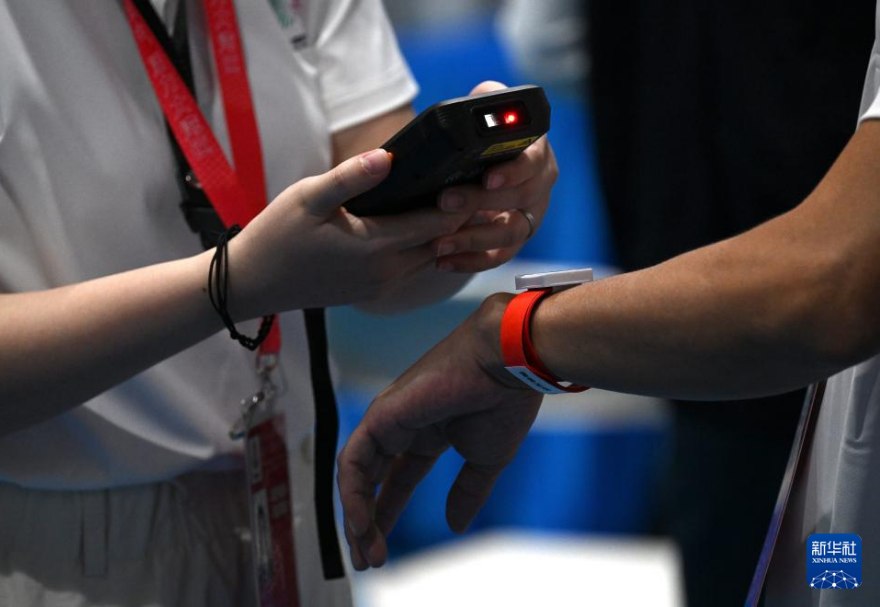
All participants and vehicles in the road cycling event were required to install RFID devices and wear GPS-connected bracelets before the race. The picture shows staff scanning the customs clearance bracelets of participants.
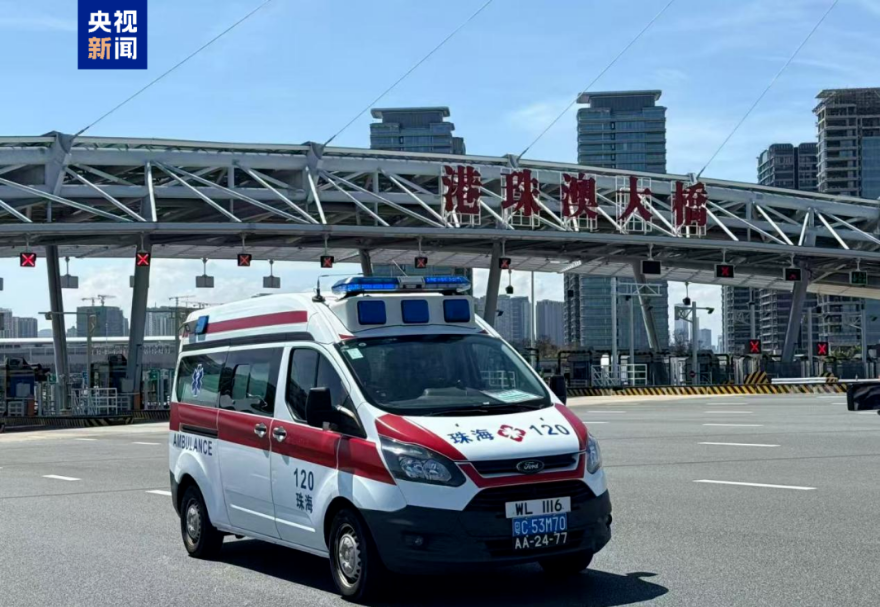
The men’s individual road cycling event pioneered the “triple-license plate” medical support vehicle, with a Hong Kong license plate on top, a Guangdong license plate in the middle, and a Macao license plate at the bottom. This marked the first time a medical support vehicle accompanied the race across the borders of Guangdong, Hong Kong, and Macao. The picture shows the “triple-license plate” medical support vehicle.
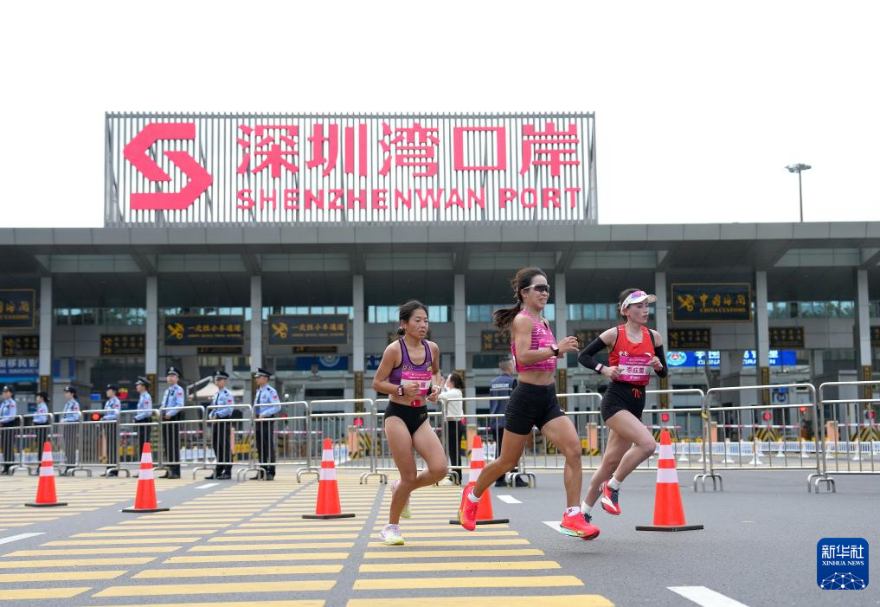
The marathon event of the 15th National Games was the first cross-border marathon in the history of the National Games. From the start to the finish, athletes’ biometric data and real-time location data were synchronized and integrated with the background system. Participants did not need to change their pace and completed cross-border customs clearance while running. The picture shows female marathon athletes of the 15th National Games passing through the Shenzhen Bay Port.
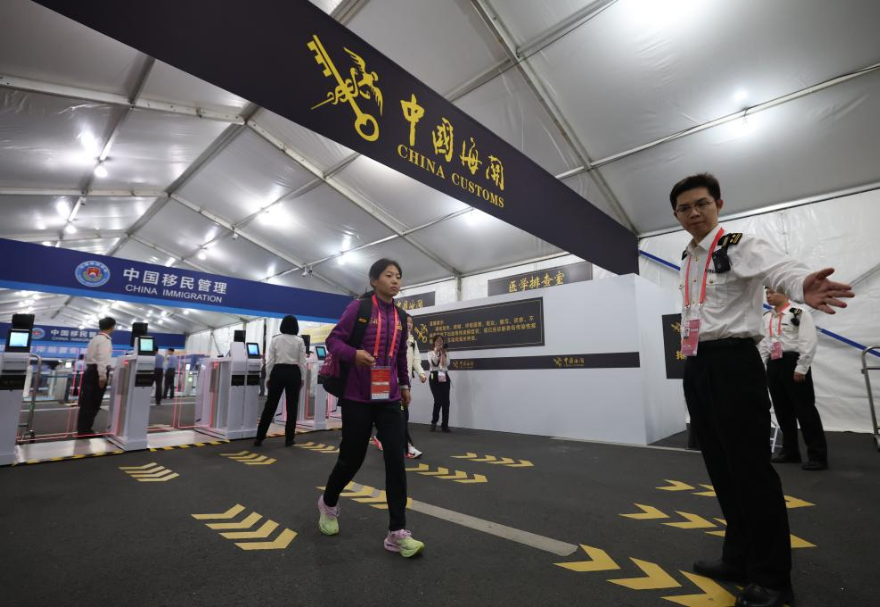
Border inspection, customs, and other departments achieved “uninterrupted movement of personnel and advance data transmission” for marathon runners through system interconnection and data sharing. After completing inspection procedures at the pre-inspection area of Shenzhen Bay Port, participants could realize “second-level verification” of information during subsequent cross-border travel. The picture shows female marathon athletes completing inspection procedures at the pre-inspection area of Shenzhen Bay Port before the race.
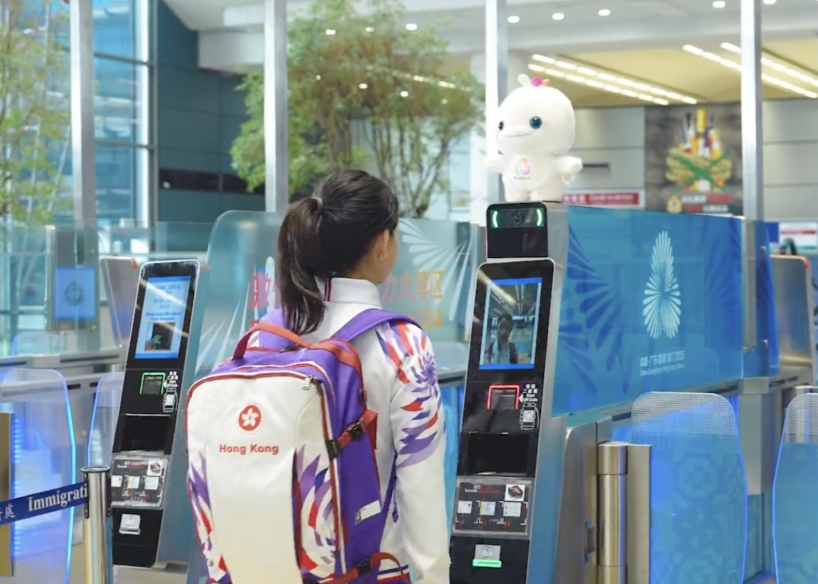
Athletes and relevant personnel registered for the National Games can enjoy fast customs clearance through “exclusive entry-exit channels.” The Hong Kong Immigration Department has set up “exclusive entry-exit channels” at four major checkpoints—Hong Kong International Airport, West Kowloon High-Speed Railway Station, Hong Kong-Zhuhai-Macao Bridge, and Shenzhen Bay Port—providing 16 self-service channels. The picture shows registered event personnel passing through the exclusive channels for fast customs clearance.
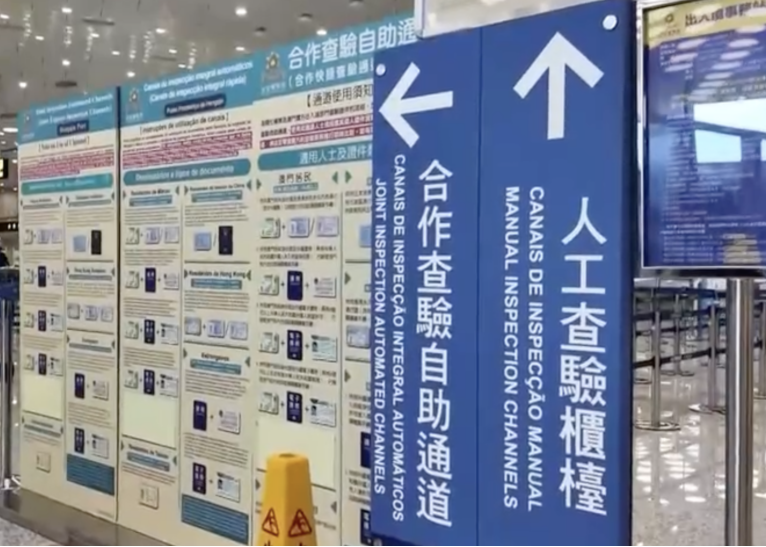
The passenger inspection hall of Hengqin Port has fully upgraded its customs clearance model. Entry-exit passengers no longer need to present documents; they can use self-service “face scanning” followed by fingerprint and facial feature verification to complete customs clearance procedures between Hengqin and Macao, making cross-border travel more convenient and efficient. The picture shows the customs clearance guidance at Hengqin Port.