This situation is somewhat unusual. According to the Saudi Gazette, Saudi Arabia has publicly pressured its once close ally, demanding that the UAE-backed separatist militias withdraw their troops from eastern Yemen. Behind this move lies a far bigger problem: the coalition that once joined forces to fight against the Houthi militias is now falling apart.

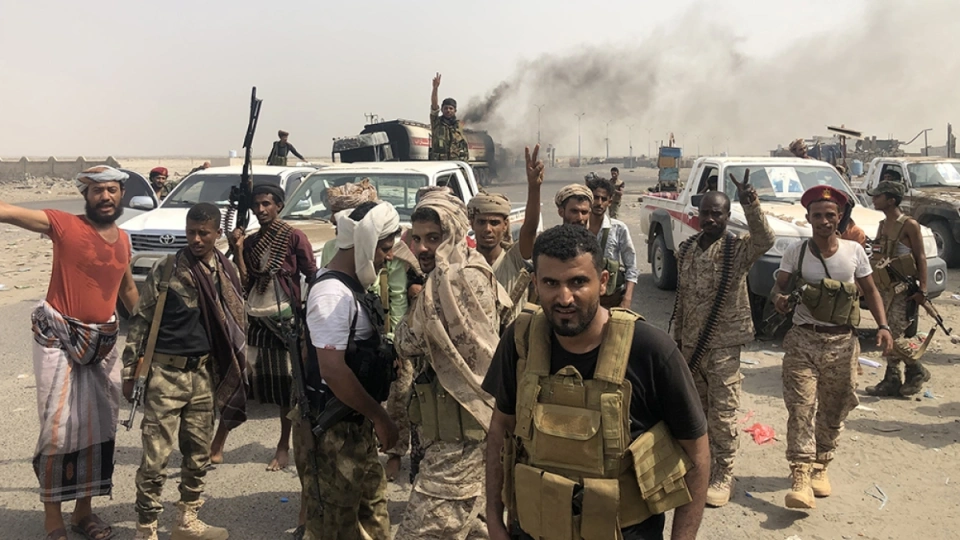
In early December, the armed forces of the Southern Transitional Council (STC) quickly seized control of Hadhramaut and Mahra provinces, which together account for nearly half of Yemen’s territory. More crucially, the STC now holds sway over most of Yemen’s oil-producing regions. Saudi Arabia issued a statement on Thursday, stating that these military operations were carried out unilaterally, without the approval of Yemen’s Presidential Leadership Council nor coordination with the coalition’s leadership.
Saudi Arabia’s Ministry of Foreign Affairs commented: Such unauthorized escalations harm the interests of all Yemenis, undermine the southern cause and threaten the collective efforts of the coalition. Saudi Arabia stressed that all Yemeni factions must exercise restraint and refrain from taking measures that could undermine security and stability, otherwise adverse consequences may follow.

The subtext here is crystal clear: Saudi Arabia is exerting pressure on the United Arab Emirates. It is a known fact that the Southern Transitional Council is an organisation funded and backed by the UAE; since its establishment in 2017, it has been calling for the independence of Yemen’s southern regions. It is now evident that the long-standing partners have developed a severe rift over their interests in Yemen.
Saudi Arabia stated that it is conducting mediation efforts, aiming to persuade the separatist militias to withdraw to their original positions and hand over military camps to the Saudi-aligned National Shield Forces. The local government of Hadhramaut welcomed Saudi Arabia’s statement and confirmed that a joint Saudi-UAE delegation has arrived in the region in an attempt to defuse the crisis.
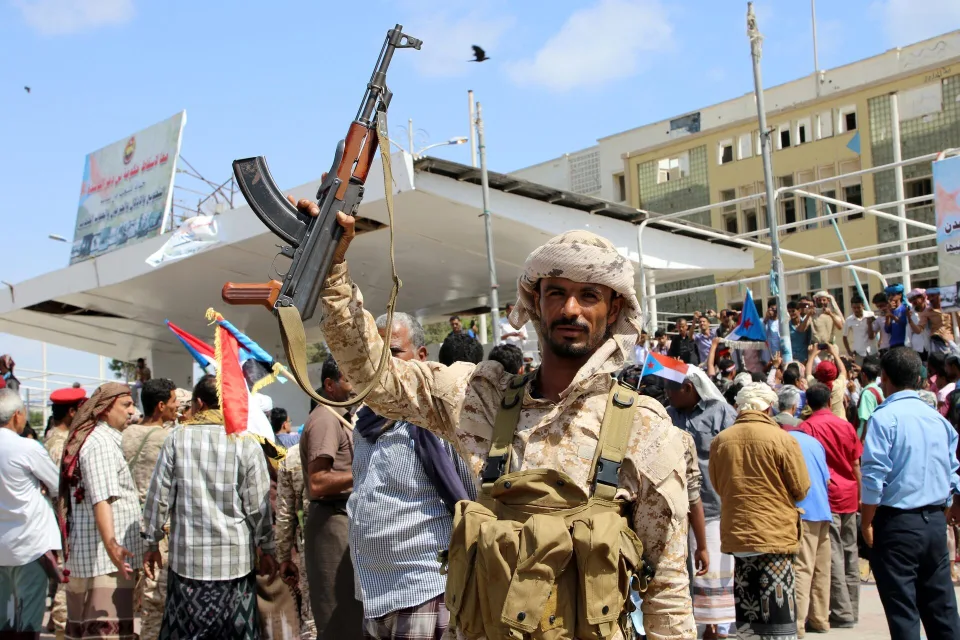
Yet the situation on the ground tells a far more complicated story. Supporters of the Southern Transitional Council waved the flag of South Yemen prior to its unification in 1990 — a symbol of an independent state. Demonstrators in Aden openly called for secession. The risk of this confrontation is that it could ignite a new internal conflict, not only within Yemen itself, but across the entire anti-Houthi coalition.
All of this is unfolding against the backdrop of a years-long humanitarian catastrophe in Yemen, which has claimed more than 150,000 lives and left millions on the brink of famine. The Houthi militias seized Yemen’s capital Sana’a in 2014, and despite years of military intervention by the Saudi-led coalition, they still control vast swathes of territory and 70 to 80 percent of Yemen’s population to this day.
The Houthis continue to threaten Saudi Arabia, detain staff from the United Nations and aid agencies, and disrupt shipping lanes in the Red Sea, forcing vessels to reroute around Africa. As separatist forces advance, coalition ties fracture and regional powers pursue their own agendas, Yemen has stepped into an abyss of disorder, chaos and turbulence.
Source: Compiled and edited based on December 2025 reports from multiple media outlets including the Associated Press, the UK Parliamentary Library, Middle East Eye and the Saudi Gazette.