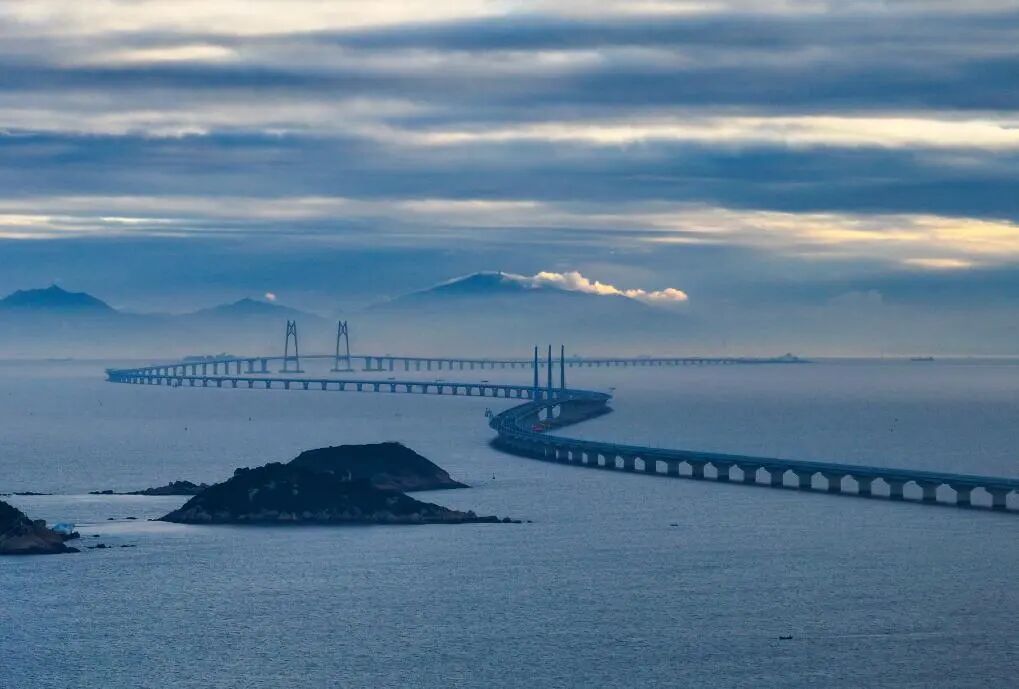
At Huandong Plaza, every elevator ride could spark a new collaboration. In meeting rooms where tech discussions have just concluded, R&D professionals from different companies linger, exchanging ideas that ignite innovation in just a few words.
The phrase “neighborly visits between upstairs and downstairs”—a lighthearted remark among local businesses—encapsulates the innovative ecosystem of Huanghuagang Street. It reflects the tangible outcomes of the district’s push for integrated industrial-urban development.
In recent years, Huanghuagang Street has adopted a Party-building-guided approach, offering concierge-style services to enhance the business environment, revitalize aging buildings, and transform them into industry hubs. The results speak clearly: growth that benefits both residents and enterprises.
This model exemplifies Yuexiu District’s broader effort to build innovative blocks where urban spaces and modern industries merge, breathing new life into the old town with a sense of community, dynamism, and belonging.
International Tenants Choose a Revitalized Urban Village
In the evening, Yunhe Community’s Pet-Friendly Square buzzes with children’s laughter. The 900-square-meter space, dotted with animal sculptures, has become a favorite spot for neighborhood families.
“Before the renovation, the road was full of potholes, and electric scooters often slipped near the shops. It was worrying, especially at night,” recalled Aunt Lü, a longtime resident. Her account hints at the challenges the community once faced.
Change began with a “community embroidery” initiative. Under Party leadership, Huanghuagang Street expanded its “community partner” network, applying a co-creation model to transform the former Yunshan Hotel parking lot into a vibrant square with commercial, leisure, and dining facilities. Funding came from a “three-point” model: government support, corporate donations, and resident contributions.
This upgrade not only solved the long-standing issues of limited public space and parking but also injected new energy into the area.
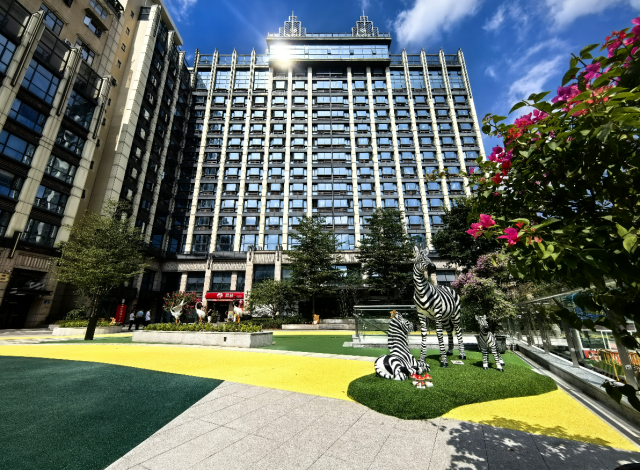
The community’s aesthetic and functional uplift directly boosted the value of nearby buildings. The formerly vacant Yunshan Tower has been repurposed into Juanyu Serviced Apartments, now featuring 700 square meters of shared spaces for reading, meetings, and fitness.
“I came from Russia to start a business in Guangzhou. My company is nearby,” shared Svan, one of the international tenants. “It’s comfortable and convenient—it has become my second office.”
Like Svan, a growing number of professionals are opting for “apartment-offices.” Occupancy at Yunshan Tower has reached 80–90%. “Before, tenants were reluctant to come to Yunhe North Street. Now they actively ask about Juanyu,” noted Li Yanling, Secretary of Yunhe Community.
“The renovation pushed us to improve our management,” acknowledged a property manager. “The attention we get now is night-and-day compared to the past.”
From January to August this year, Huanghuagang Street attracted 29 companies to Yunshan Tower through targeted services. RoadKing Group, for instance, relocated six affiliated firms to the area, achieving spatial clustering of core business functions. Juanyu Apartments itself was recognized as a designated “Four Above” enterprise, marking it as a driver of high-quality growth.
22 Enterprises Cluster in Upgraded Commercial Tower
At Guanyi Tower, activity thrives well into the afternoon. Screens in the lobby display the names of pharmaceutical companies, professionals hurry between meetings, and supply chain negotiations unfold behind closed doors.
In one part of the building, a bright community vaccination center serves residents in an orderly manner. The vibrant “billion-yuan tower” has become a landmark for the life sciences sector in Huanghuagang.
Yet not long ago, the building faced stagnation due to unclear property rights—a common challenge in older urban areas.
To break the deadlock, the street office delved into policy, invoking Guangzhou municipal guidelines to issue a critical “site use certificate” for the entire building. This document served as a “golden key,” unlocking the tower’s potential.
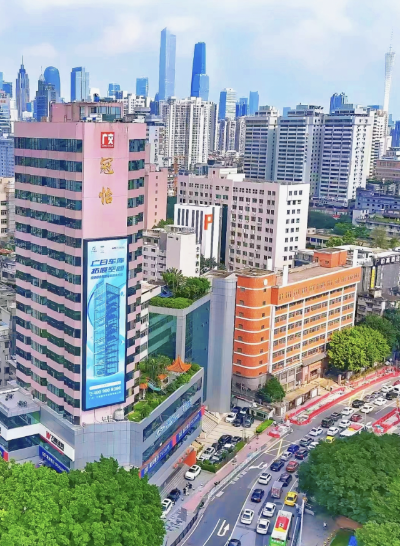
The entry of Guangzhou Guangjiao Supply Chain Co., Ltd. proved transformative. As an anchor enterprise in pharmaceutical logistics, the company attracted 22 upstream and downstream partners—creating a “1+22” cluster effect. Among them are three high-tech firms, six key taxpayers, and four “Four Above” enterprises.
Why did Guangjiao Supply Chain bring its ecosystem here? The answer lies in the district’s commitment to service.
“What companies really seek is a sense of belonging and being valued,” said Yu Zhaohui, Party Secretary of Huanghuagang Street. The office assisted with employee residency procedures, opened dedicated service channels, and awarded honorary plaques in recognition of the firms’ contributions.
This “always responsive, never intrusive” approach makes companies not only willing to stay and grow but also to bring partners along. The presence of an anchor enterprise is like planting a seed that naturally draws a sprawling industrial vine.
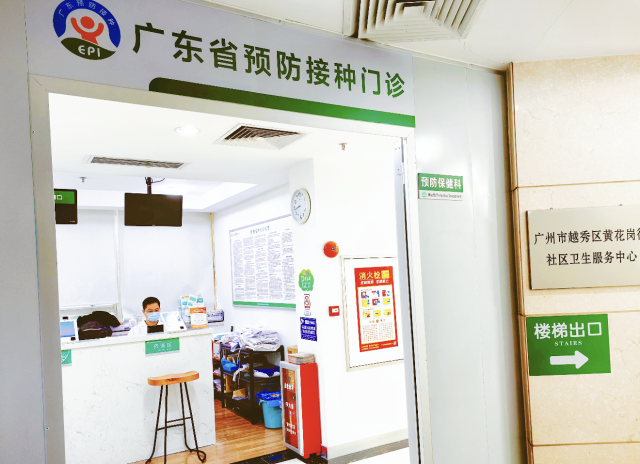
Upgraded industries have also directly benefited the community. Through government coordination, the community vaccination center was relocated to Guanyi Tower, offering a more comfortable environment for residents. “The public now enjoys a better vaccination experience—this is how industry and community interact positively,” said a local official.
Upstairs-Downstream Collaboration in Action
In a village in Xinjiang, a 5G-enabled mobile ophthalmology clinic provided retinal screenings for over 200 people in one afternoon, identifying more than 40 patients with eye conditions.
Behind this efficient service stands a seamlessly connected biomedical industry in Yuexiu District. “This mobile clinic was jointly developed by us and Yidong Medical,” a project lead explained. The initiative has earned a national top prize in 5G application innovation.
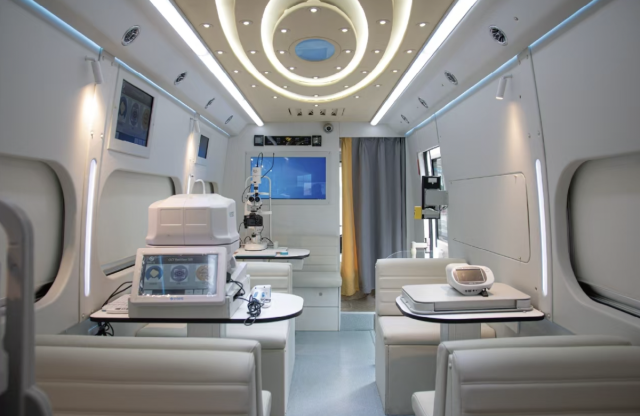
Yidong Medical, a core enterprise at the CRO Industrial Landmark Operation Center in Huandong Plaza, frequently engages in collaborative R&D. “We often ‘visit’ upstairs and downstairs,” a Yidong researcher said with a smile. Whether for technical discussions or sample tests, an elevator ride is all it takes.
This culture of “drop-in innovation” defines the plaza’s ecosystem. Just four years ago, the site was the aging Jiafu Hotel, struggling to remain relevant.
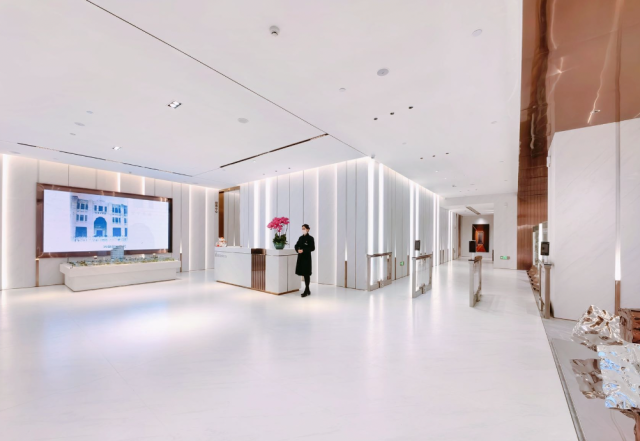
Huandong Plaza’s transformation is no isolated case. Since launching its innovation block initiative, Yuexiu District has identified 163 properties for renovation, 74 of which have been completed, covering 1.3 million square meters. The model has been recognized as a national exemplary case in “Sci-Tech Block Construction.”
As the Guangzhou district richest in medical resources, Yuexiu is home to five national key laboratories and 31 provincial labs in the life sciences.
Adjacent to Huanghuagang Science Park, the street has repositioned the renovated Huandong Plaza as a vertical industrial community focused on health and biomedicine. It now contributes approximately RMB 2 billion annually to GDP and hosts a cluster of CRO firms, including Prima Medical and Ruixin Technology.
Together, these companies have facilitated the transformation of 169 biomedical achievements, serving over 1,000 institutions.
Huanghuagang’s experience showcases how high-density clustering of industrial elements can create an “upstairs-downstream” synergy—a thriving “industrial rainforest” that proves old cities can cultivate vibrant new economic ecosystems.